
Snoring is no longer something Australians simply “put up with.” In 2026, there is a clear shift toward alternative sleep therapy as more people search for how to stop snoring without a CPAP machine and explore options that are simpler, quieter, and more affordable.
While CPAP machines remain the gold standard for obstructive sleep apnoea, they are not the only path to better sleep. Many Australians are now choosing non-invasive solutions that fit their lifestyle and offer immediate relief.
This guide explains ways to stop snoring without CPAP, backed by practical experience, current trends, and medically recognised approaches.
Why Many Australians Are Considering Alternatives to CPAP
Rather than moving away from CPAP entirely, many Australians are looking for other options because CPAP can be difficult to start with and challenging to maintain long term.
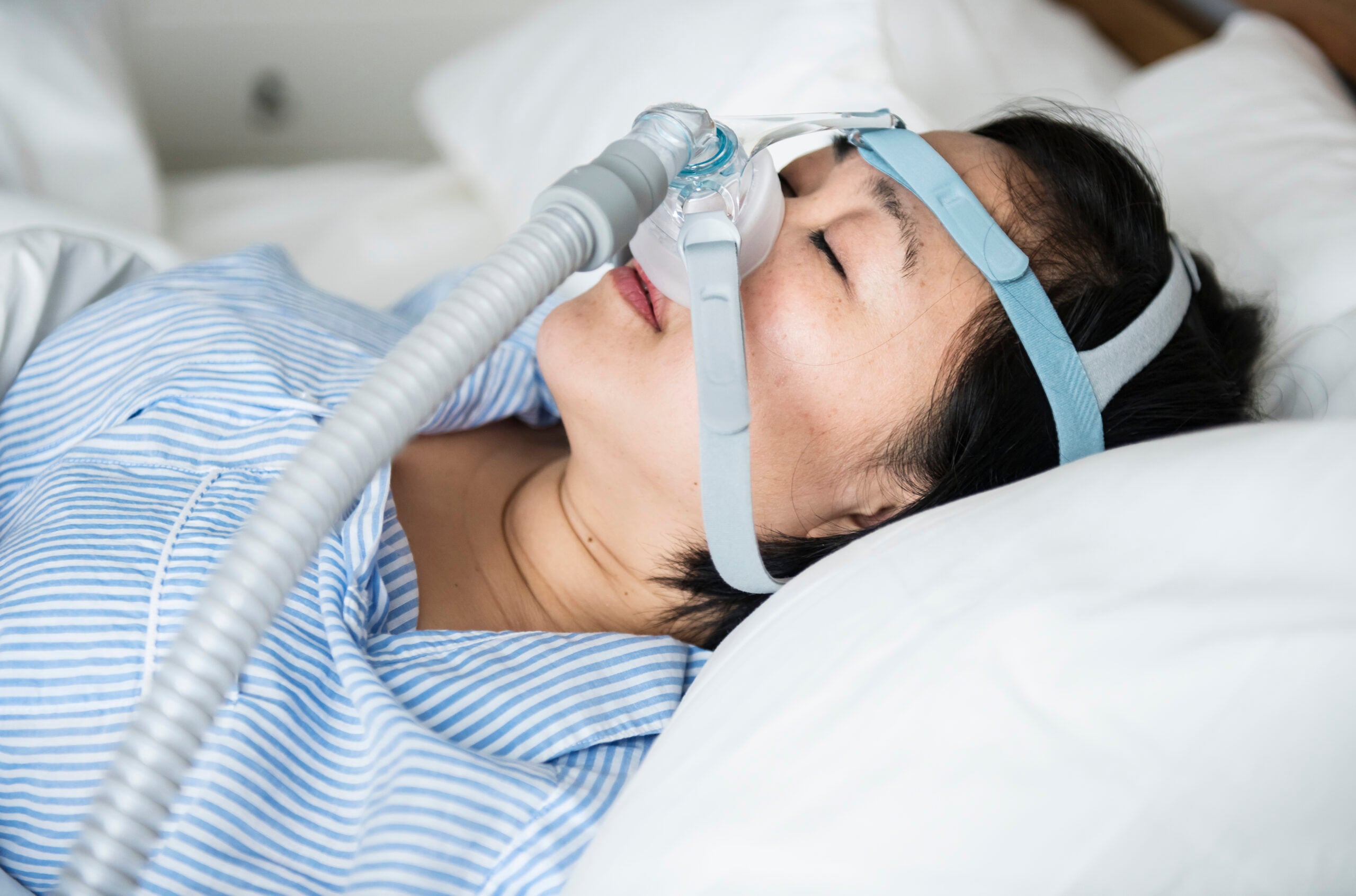
For some, the experience of using a CPAP machine feels uncomfortable. Masks can cause irritation, pressure marks, or air leaks, and some people find it difficult to adjust to sleeping with a device attached to their face.
Others struggle with how it affects sleep quality. Issues such as dryness, congestion, or the feeling of breathing against pressure can make it hard to stay consistent with treatment.
Practical factors also play a role. The upfront cost of a CPAP setup, along with ongoing replacement parts and maintenance, can be a barrier for many households. Travel and lifestyle flexibility can also be limited, especially for people who move frequently or prefer simpler solutions.
Because of these challenges, many people begin exploring alternative approaches that feel easier to use, more comfortable, or better suited to everyday life, particularly when managing snoring or mild sleep-related breathing issues.
How to Stop Snoring Without CPAP Naturally
If you are wondering how to stop snoring without CPAP, lifestyle changes are often the first and most effective step.
Sleeping position plays a major role. Back sleeping allows the tongue and soft palate to fall backwards into the airway, while side sleeping can significantly reduce this effect.
Weight management is also important. Even a small reduction in weight can relieve pressure around the neck and improve airflow during sleep.
Avoiding alcohol before bed helps prevent the throat muscles from over-relaxing. Staying well hydrated is equally important, as dry tissues can increase snoring vibrations.
These changes may seem simple, but they are often overlooked. For many people, they form the foundation of effective non CPAP snoring management.
Non CPAP Snoring Solutions Worth Considering
For many people, snoring is a manageable condition that does not always require a CPAP machine. While CPAP remains the gold standard for obstructive sleep apnoea, many Australians are now exploring alternative approaches that help open the airway, reduce throat vibration, and improve sleep quality.
These options are often used alone or in combination depending on the underlying cause of snoring, starting with simple lifestyle changes before moving to more structured therapies and devices.
Lifestyle Adjustments
Small changes in daily habits can have a noticeable impact on airway stability and nighttime breathing.
- Side sleeping helps prevent the tongue and soft palate from collapsing backwards into the throat. A body pillow or positional trainer can help maintain this position through the night
- Weight management can reduce pressure around the neck, improving airflow and reducing airway restriction during sleep
- Avoiding alcohol before bed is important because alcohol relaxes throat muscles, which can increase airway collapse and snoring intensity
- Hydration helps keep nasal and throat secretions thinner, reducing blockage and vibration during breathing
Other Non CPAP Snoring Solutions Worth Considering
Beyond lifestyle changes, many people explore additional options that target different causes of snoring. These approaches are often used together for better results.
- Nasal strips or nasal dilators improve airflow by widening the nasal passages. They are commonly used for congestion-related snoring and are valued for their simplicity and affordability
- Tongue retaining devices work by holding the tongue forward using gentle suction. They are particularly helpful when snoring is caused by the tongue falling back during sleep
- Throat exercises, also known as myofunctional therapy, strengthen the tongue and airway muscles over time. This can help reduce airway collapse and support more stable breathing during sleep
These methods are often included in discussions of effective non CPAP snoring solutions and tend to work best when matched to the individual cause of snoring.
As interest grows in practical at-home treatments, many people also combine these approaches with oral devices for improved results.
Oral Appliances Leading the 2026 Trend
One of the most effective and fast-growing categories in non CPAP therapy is oral appliance treatment, particularly mandibular advancement devices.
A mandibular advancement device works by gently moving the lower jaw forward, helping to keep the airway open and reducing the likelihood of the tongue collapsing backwards during sleep.
Interest in these devices has grown across Australia as they offer a practical balance of comfort, accessibility, and effectiveness. Options now include custom dental appliances, boil and bite devices, and fully adjustable designs for a more personalised fit.
For those researching the best options or where to buy them, availability has expanded across pharmacies and online retailers. These devices are widely regarded as effective mouthguards for snoring and are commonly used as an alternative to CPAP therapy, making them an important part of the 2026 shift in sleep solutions.
Why Devices Like SnoreMD Are Gaining Popularity
Among non CPAP options, mandibular advancement devices such as SnoreMD are increasingly seen as a practical first step for people exploring ways to stop snoring without CPAP.
This shift is largely driven by the demand for simple, immediate snoring solutions that don’t require CPAP, especially for those who want to manage symptoms without clinical appointments or specialised equipment.
These devices are often chosen by people researching how to stop snoring without a CPAP machine because they are accessible, relatively affordable, and easy to use at home. Options like a boil and bite mandibular advancement device allow users to begin treatment quickly, without waiting for sleep studies or prescriptions.
Unlike a traditional CPAP machine or sleep CPAP machine, these oral appliances do not rely on hoses, electricity, or constant airflow, making them more convenient for travel and everyday use.
Another key benefit is adjustability. An adjustable mandibular advancement device allows gradual jaw positioning, helping users find a comfortable setting that reduces snoring while minimising strain.
For Australians facing long wait times for sleep studies or the high cost of CPAP machines, these are often considered among the best non CPAP snoring solutions and some of the best affordable alternatives to CPAP for snoring, offering a practical entry point into treatment.
When to Seek Medical Advice
While many people successfully stop snoring without CPAP, it is important to recognise when snoring may indicate something more serious.
If you experience daytime fatigue, choking or gasping during sleep, or persistent morning headaches, professional evaluation is essential. These may be signs of obstructive sleep apnoea, which requires proper diagnosis.
Alternative therapies can still play a role, but they should be part of a guided treatment plan.
The Future of Sleep Therapy in Australia
The shift toward best non-CPAP snoring solutions reflects a broader change in how Australians approach health. People want treatments that are accessible, comfortable, and compatible with daily life.
In 2026, alternative sleep therapy is no longer a secondary option. For many, it is the first step.
Whether you are exploring ways to stop snoring without a CPAP or comparing the best anti-snoring devices that don’t require a CPAP machine, the key is finding a solution you can actually stick with.
Because better sleep is not just about effectiveness. It is about consistency, comfort, and real-world usability.