
Snoring is one of the most common sleep disturbances affecting adults, but its cause can vary widely from person to person. Because of this, different solutions can produce very different results depending on what is actually causing the snoring.
SnoreMD and nasal strips are two widely used options. While both are designed to reduce snoring, they work in completely different ways. One focuses on supporting the jaw and keeping the throat airway open, while the other improves airflow through the nose.
Understanding where the restriction is coming from is often the key to choosing the right approach.
How SnoreMD and nasal strips differ in use
SnoreMD is a mandibular advancement device, often referred to as an anti snoring mouthpiece or mouthpiece for snoring. It is worn inside the mouth and gently moves the lower jaw forward during sleep. This helps keep the airway open behind the tongue.
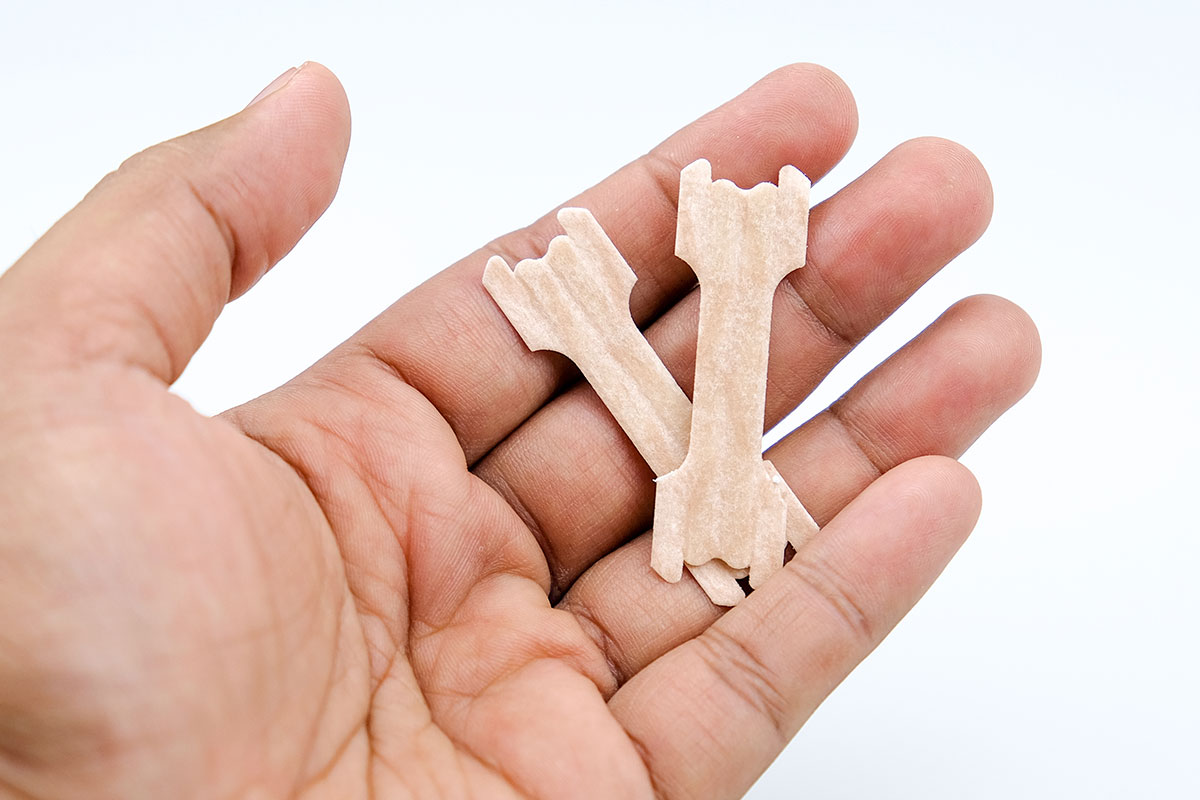
Nasal strips, sometimes called nose nasal strips or nasal strips for snoring, are external adhesive strips placed across the bridge of the nose. They work by gently lifting the sides of the nose to improve airflow through the nasal passages.
In simple terms, SnoreMD works on the throat and jaw, while nasal strips focus on the nose.
This difference is important because searches such as snoring mouthpiece vs nasal strips or do nasal strips stop snoring often return mixed outcomes depending on the cause of snoring.
How each device works
SnoreMD mouthpiece for snoring
SnoreMD works using mandibular advancement. By gently holding the lower jaw forward, it helps prevent the tongue and soft tissues from collapsing into the airway during sleep.
This is commonly associated with deeper, throat based snoring that occurs when airway muscles relax.
The device is adjustable, allowing users to gradually fine tune jaw positioning for comfort and effectiveness. This makes it an adjustable anti-snoring mouthpiece suitable for different levels of snoring severity.
Nasal strips for snoring
Nasal strips use a flexible spring-like design that gently pulls open the nostrils. This increases airflow through the nasal passages by widening the nasal valve.
They are most helpful when snoring is linked to congestion, allergies, or naturally narrow nasal passages. In these cases, breathing through the nose becomes easier, which can reduce mild snoring.
However, nasal strips mainly affect airflow through the nose and do not influence what happens in the throat during sleep.
Which device works best for different types of snoring
The effectiveness of each option depends largely on where the snoring originates.
SnoreMD tends to be more effective for deeper, rumbling snoring that comes from the throat, especially when the tongue falls backwards during sleep.
Nasal strips are better suited for lighter snoring caused by nasal blockage or congestion, where breathing feels restricted through the nose.
This is why people searching nasal strips to stop snoring may find results vary widely, especially if the underlying cause is not nasal.
Five advantages of SnoreMD over nasal strips
1. Targets the main source of loud snoring
Most disruptive snoring occurs when the airway in the throat becomes partially blocked. SnoreMD directly addresses this by keeping the jaw forward, helping maintain a clearer airway.
2. Adjustable positioning for personalised use
Unlike nasal strips, SnoreMD allows gradual adjustment of jaw position. This helps users find the right level of advancement for both comfort and snoring reduction.
3. Stable overnight performance
Nasal strips can loosen or lose adhesion during sleep, especially with movement or skin oils. SnoreMD stays in place throughout the night once fitted correctly.
4. Long term usability
Nasal strips are disposable and need to be replaced regularly. SnoreMD is reusable, making it more practical for ongoing use over time—costing as little as $0.46 per night over the course of a year.
5. Works even if you breathe through your mouth or nose
Nasal strips rely on nasal breathing to be effective. SnoreMD remains useful even for people who naturally breathe through their mouth during sleep.
Why people start with nasal strips before moving to SnoreMD
Many people begin with nasal strips because they are easy to access, affordable, and require no adjustment period. They are often the first step for those exploring nasal strips for snoring or wondering if nasal strips stop snoring.
They tend to work well for temporary congestion, such as during a cold or allergy flare up.
However, if snoring continues even when the nose feels clear, the cause is often further down the airway in the throat.
This is usually when people start considering SnoreMD or other mouthpiece based solutions.
Common signs include:
- Snoring continues despite clear nasal breathing
- Mouth breathing reduces the effectiveness of strips
- Partners report ongoing loud or disruptive snoring
Conclusion
When comparing a snoring mouthpiece vs nasal strips, the key difference is where each device works in the airway.
Nasal strips support breathing through the nose and are best suited for mild, congestion related snoring. SnoreMD works deeper in the airway by supporting jaw position and is often more effective for throat based or persistent snoring.
Choosing between them comes down to identifying the source of the snoring rather than the device itself.