
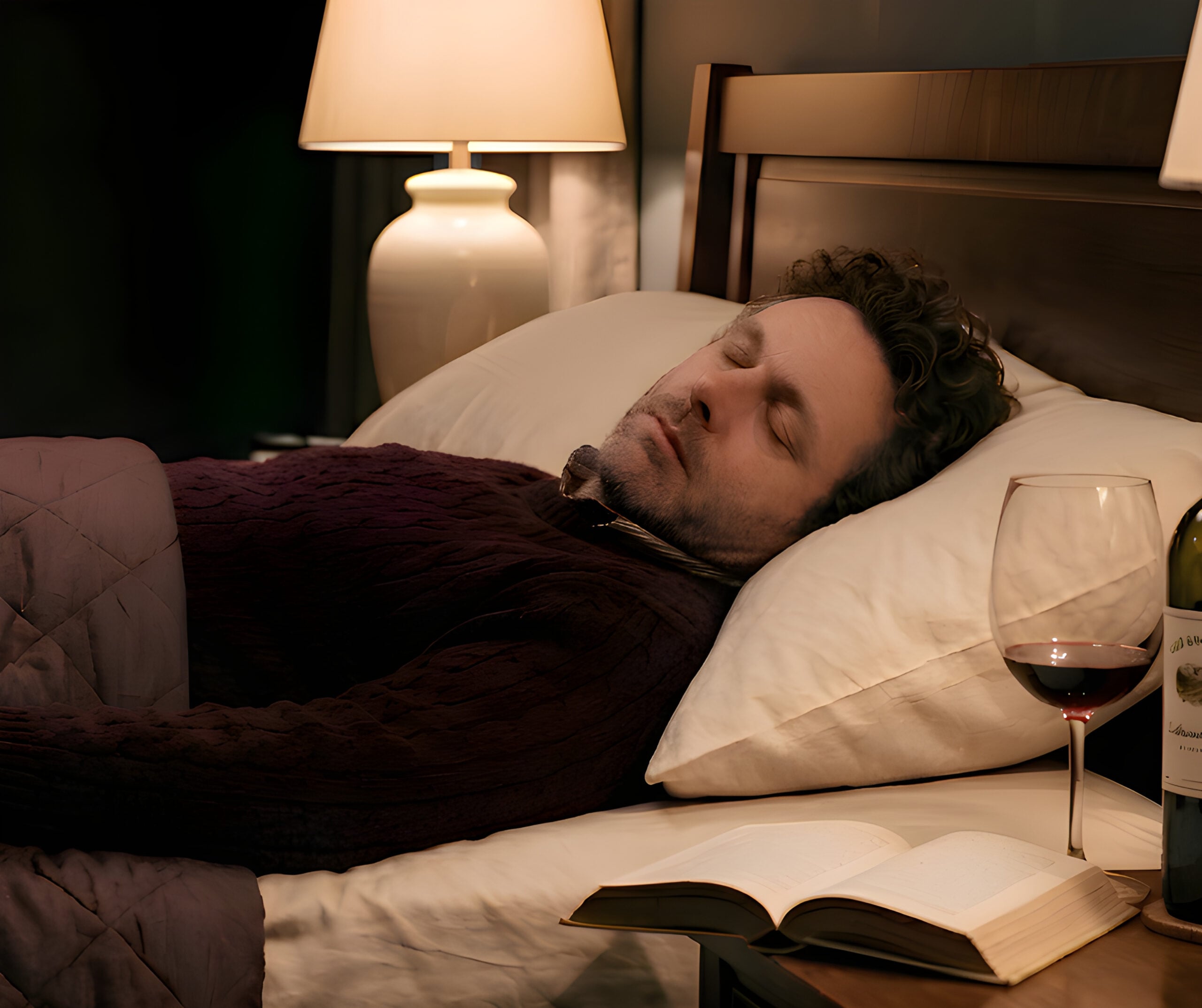
“I Thought Red Wine Was the Better Choice”
For years, my Friday night routine involved catching up with friends over a few drinks. I was never a heavy beer drinker, but I enjoyed the occasional lager or pale ale. More recently, however, I switched to red wine.
I liked the taste. I felt more relaxed. I seemed to fall asleep faster.
There was just one problem.
My partner started telling me that my snoring had become noticeably worse.
The strange thing was that I felt like I was making a healthier choice. I wasn’t drinking sugary cocktails, and I wasn’t consuming large amounts of beer. Yet somehow, my snoring seemed louder, longer, and more disruptive than before.
If this sounds familiar, you’re not alone.
Many snorers report that red wine appears to trigger more severe snoring compared to other alcoholic drinks. While research on specific beverage types remains limited, there are several scientifically plausible reasons why red wine may be contributing to noisier nights.
Does Drinking Red Wine Cause More Snoring?
Potentially, yes—particularly if you’re already prone to snoring.
According to Healthline, alcohol can worsen snoring because it acts as a depressant, relaxing the muscles throughout the body, including those involved in keeping your upper airway open during sleep. As these muscles relax, the airway can become narrower, making it harder for air to flow freely. The resulting vibration of soft tissues in the throat and airway is what creates the sound of snoring.
Alcohol may also contribute to swelling or congestion in the nasal passages, creating additional resistance to airflow. When this happens, people are more likely to breathe through their mouth during sleep, which can further increase snoring.
While these effects can occur with any alcoholic beverage, red wine may introduce additional factors—such as histamines, tannins, and a higher alcohol concentration than many beers—that could make snoring more noticeable in some individuals.
Healthline also notes that alcohol-related airway relaxation may be particularly problematic for people who already snore or who have obstructive sleep apnoea, as it can contribute to greater breathing disturbances during sleep.
Why Some People Snore More After Drinking Red Wine
1. Histamines May Trigger Nasal Congestion
One of the most discussed links between red wine and snoring involves histamines.
Red wine generally contains higher levels of histamines than many other alcoholic beverages. Histamines can contribute to nasal congestion in susceptible individuals, particularly those who already experience allergies or sinus sensitivity.
When the nose becomes congested, many people naturally switch to mouth breathing during sleep.
Unfortunately, mouth breathing often increases airway vibration and can make snoring louder.
If you’ve ever noticed a blocked nose after drinking red wine, this may be part of the explanation.
2. Tannins and Other Wine Compounds May Affect Sensitive Individuals
Red wine contains tannins and naturally occurring fermentation compounds known as congeners.
While not everyone reacts to these substances, some individuals report symptoms such as:
- Nasal stuffiness
- Sinus pressure
- Throat irritation
- Increased mucus production
Any factor that affects airflow through the nose or throat can potentially contribute to heavier snoring.
3. Red Wine Often Contains More Alcohol Than Beer
Another consideration is alcohol concentration.
A typical beer may contain around 4% to 5% alcohol by volume (ABV), while many red wines range between 12% and 15% ABV.
If you’re consuming similar serving sizes or drinking close to bedtime, the higher alcohol concentration may result in greater relaxation of the upper airway muscles.
The more relaxed those tissues become, the more likely they are to collapse inward and vibrate.
Are More Snorers Reporting Problems After Switching from Beer to Red Wine?
There is currently limited research directly comparing snoring rates between beer drinkers and red wine drinkers.
Most sleep studies focus on alcohol consumption in general rather than individual beverage types.
However, sleep specialists and ENT clinicians frequently note that red wine can trigger alcohol-induced nasal congestion in some people due to its histamine content.
For individuals who are sensitive to histamines, the combination of:
- Airway muscle relaxation from alcohol
- Nasal congestion from histamines
- Increased mouth breathing
may create the perfect conditions for louder snoring.
This helps explain why some people notice their snoring worsening after replacing beer with red wine.
Does Red Wine Affect Sleep Quality Too?
Interestingly, the issue isn’t limited to snoring.
Although many people feel sleepy after drinking red wine, alcohol can significantly alter normal sleep architecture.
Research has shown that alcohol may:
- Reduce REM sleep during the first half of the night
- Increase sleep fragmentation later in the night
- Cause more awakenings and micro-arousals
- Increase the likelihood of snoring and breathing disturbances
In other words, falling asleep faster doesn’t necessarily mean you’re getting better-quality sleep.
Are Certain Types of Red Wine Less Likely to Trigger Snoring?
No red wine can guarantee a snore-free night.
However, some people find lighter red varieties easier to tolerate than fuller-bodied wines.
Examples include:
- Pinot Noir
- Gamay
- Grenache
These wines generally contain lower tannin levels than heavier reds such as:
- Shiraz
- Cabernet Sauvignon
- Malbec
Some wine drinkers also choose lower-alcohol options where available.
While this won’t eliminate alcohol’s effect on the airway, it may reduce the overall degree of muscle relaxation.
What Are the Best Alternatives if You’re Prone to Snoring?
If you’re trying to identify whether red wine is contributing to your snoring, it may be worth experimenting.
Some people find improvement when switching to:
- White wine
- Clear spirits such as vodka or gin
- Lower-alcohol beverages
These drinks generally contain fewer histamines than red wine.
Of course, alcohol itself can still worsen snoring regardless of the type consumed.
The goal is simply to determine whether red wine appears to be an additional trigger for your particular airway.
How to Reduce Snoring After Drinking Red Wine
If you enjoy red wine and don’t want to eliminate it completely, several practical strategies may help reduce snoring risk.
Finish Drinking Earlier
Many sleep experts recommend allowing a buffer of at least three to four hours between your last alcoholic drink and bedtime.
This gives your body more time to metabolise alcohol before entering deeper stages of sleep.
Stay Hydrated
Alcohol contributes to dehydration, which can dry airway tissues and potentially worsen vibration.
Alternating wine with water may help minimise this effect.
Manage Nasal Congestion
If red wine seems to trigger a blocked nose, consider discussing appropriate allergy or congestion management strategies with your healthcare provider.
Improving nasal airflow may reduce the tendency to mouth breathe.
Sleep on Your Side
Back sleeping often worsens snoring because gravity allows the tongue and soft tissues to fall backward.
Side sleeping may help maintain a more open airway.
Are There Any Snoring Remedies That Work Better for Red Wine Drinkers?
The first step is identifying the underlying reason for your snoring.
If nasal congestion is the primary issue, addressing that congestion may provide benefits.
However, if your snoring is primarily caused by airway narrowing during sleep, some people explore oral appliance therapy.
One option frequently recommended to snorers is a mouthpiece for snoring, often called an anti-snoring mouthpiece or mandibular advancement device.
These devices are designed to gently reposition the lower jaw forward during sleep, helping to maintain a more open airway.
Could SnoreMD Help?
For adults with simple snoring related to airway narrowing, a customisable snoring mouthpiece such as SnoreMD may be worth discussing with a healthcare professional.
SnoreMD is an adjustable mandibular advancement device that is designed to move the lower jaw slightly forward while sleeping.
By helping to keep the airway more open, this type of mouthpiece anti snoring solution may assist some snorers in reducing airway vibration.
Importantly, SnoreMD is not intended to treat every cause of snoring.
If your snoring is primarily being driven by red wine-induced nasal congestion, allergies, chronic sinus problems, or an underlying sleep disorder such as obstructive sleep apnoea, additional medical assessment may be appropriate.
Nevertheless, many adults who experience snoring because of relaxed airway tissues explore an anti snore mouthpiece as part of their overall management strategy.
The Bottom Line
If you’ve switched from beer to red wine and your partner says your snoring has become worse, you’re probably not imagining it.
While all alcohol can contribute to snoring, red wine may present additional challenges for some people due to its histamine content, tannins, congeners, and higher alcohol concentration.
Rather than giving up every Friday night glass, it may be worth experimenting with:
- Earlier drinking cut-off times
- Improved hydration
- Different wine varieties
- Alternative beverages
- Positional sleep strategies
- A professionally appropriate mouthpiece to prevent snoring
For some snorers, a device such as SnoreMD may provide another practical option to explore when airway relaxation appears to be contributing to the problem.
If your snoring is persistent, worsening, or accompanied by choking, gasping, excessive daytime sleepiness, or witnessed breathing pauses, seek assessment from a qualified healthcare professional to rule out obstructive sleep apnoea and other sleep-related breathing disorders.
Disclaimer: This article is intended for general informational and educational purposes only and does not constitute medical advice, diagnosis, or treatment. Individual responses to alcohol, including red wine, can vary significantly. If you have concerns about snoring, allergies, sinus congestion, sleep quality, or possible obstructive sleep apnoea, consult a qualified healthcare professional. SnoreMD is designed to help manage certain types of snoring and is not intended to diagnose, treat, cure, or prevent any medical condition.