
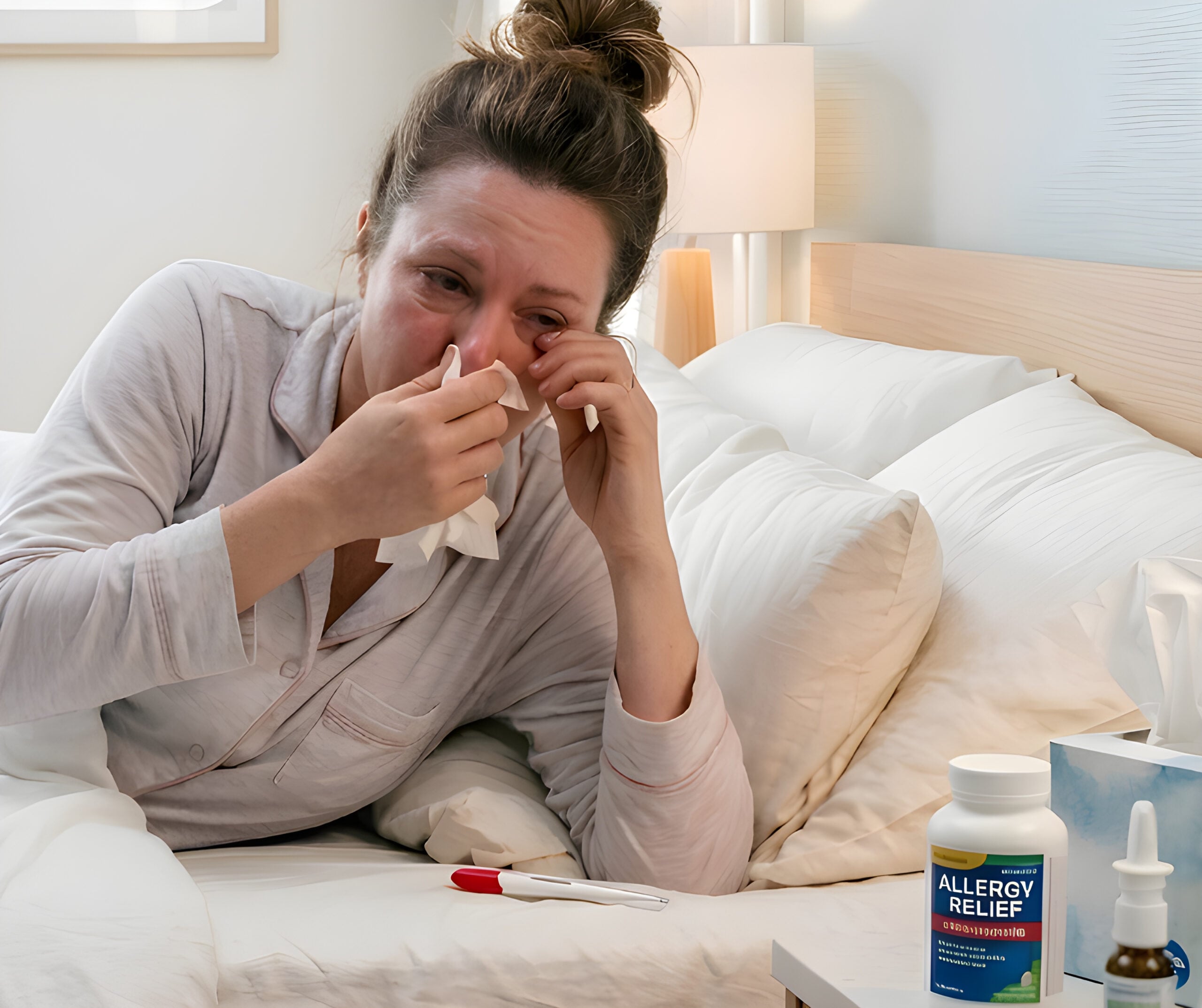
Winter in Australia often brings more than just chilly mornings and longer nights. For many people, it also means battling colds, seasonal allergies, allergic rhinitis, sinus congestion, and disrupted sleep.
If you’re already prone to snoring, winter can make things noticeably worse. A blocked nose, irritated airways, and increased mouth breathing can all contribute to louder snoring and poorer sleep quality.
A common question we hear is:
“Can I wear a mouthguard if I have a cold or seasonal allergies?”
Or more specifically:
“Can I use a mouthguard like SnoreMD if I have seasonal allergies this winter?”
The short answer is yes—most people can continue using a mandibular advancement device (MAD) or mouthguard for snoring like SnoreMD during a cold or allergy flare-up. However, there are a few important considerations to help ensure comfort, effectiveness, and a better night’s sleep.
Why Winter Can Make Snoring Worse
During an Australian winter, respiratory viruses and indoor allergens become more common. For people who already snore, these factors can create additional airway resistance that makes snoring more frequent or more severe.
Common winter triggers include:
Respiratory Illnesses
- The common cold (rhinovirus)
- Influenza (flu)
- Respiratory Syncytial Virus (RSV)
These illnesses can cause inflammation of the nasal passages, excess mucus production, throat irritation, and congestion that make breathing through the nose more difficult.
Winter Allergies
Many Australians associate hay fever with spring, but winter has its own allergy triggers.
Common winter allergens include:
- Dust mites in bedding and mattresses
- Indoor mould caused by damp conditions
- Pet dander from animals spending more time indoors
- Seasonal pollens and fungal spores in some regions
These triggers can lead to allergic rhinitis, causing:
- Nasal congestion
- Runny nose
- Sneezing
- Itchy eyes
- Swollen nasal tissues
Sinusitis
Winter colds and allergies can also contribute to sinus inflammation or sinusitis.
Symptoms may include:
- Facial pressure
- Headaches
- Thick mucus
- Post-nasal drip
- Difficulty breathing through the nose
When nasal passages become blocked, the body naturally shifts toward mouth breathing during sleep—which is one reason snoring often worsens during winter.
The Link Between Congestion and Snoring
The pathway is surprisingly straightforward:
Nasal congestion → Mouth breathing → Narrowed airway → Increased tissue vibration → Snoring
When your nose is blocked, air cannot flow efficiently through the nasal passages. As a result, you are more likely to sleep with your mouth open.
Mouth breathing can dry the tissues of the throat and may allow the tongue and soft palate to fall backward more easily during sleep. As airflow passes through this narrowed space, the tissues vibrate, creating the sound we recognise as snoring.
For people who already snore, winter congestion can amplify the problem.
Can I Wear a Mouthguard If I Have a Cold or Seasonal Allergies?
In most cases, yes.
If you use a mouthguard for snoring, including a mandibular advancement device (MAD), having a cold or seasonal allergies does not automatically mean you need to stop using it.
These devices are designed to gently reposition the lower jaw forward to help keep the upper airway more open during sleep.
However, there is an important distinction:
A mouthguard addresses the airway at the back of the throat, while colds and allergies often affect the nose and sinuses.
This means a snoring mouthguard may still help reduce snoring, but severe nasal congestion can make the experience less comfortable.
Can I Use a Mouthguard Like SnoreMD If I Have Seasonal Allergies This Winter?
Generally speaking, yes.
For many people, continuing to use a boil and bite mouthguard for snoring during allergy season is reasonable, provided they can tolerate it comfortably.
If your allergies are causing only mild-to-moderate congestion, you may find that your device continues to work much as it normally does.
However, if your nose becomes completely blocked, you may notice:
- Increased mouth dryness
- Dry throat upon waking
- Reduced comfort during sleep
- Difficulty adapting to the device on heavily congested nights
The key factor is not usually safety—it is comfort and usability.
If you feel you cannot breathe comfortably while wearing the device, it may be worth addressing the congestion first before going to bed.
Is It Safe to Use a Mouthguard for Snoring During Allergy Season?
For most healthy adults, using a sleep mouthguard for snoring while experiencing seasonal allergies is generally considered safe.
That said, every situation is different.
You should seek professional advice if you have:
- Severe or chronic nasal obstruction
- Significant sinus disease
- Active jaw pain or TMJ disorders
- Loose teeth or advanced gum disease
- Dentures that affect device retention
- Suspected sleep apnoea
It’s also important to remember that anti-snoring mouthguards are not intended to diagnose, treat, cure, or prevent medical conditions.
If your snoring is accompanied by:
- Gasping during sleep
- Choking sensations
- Witnessed breathing pauses
- Excessive daytime sleepiness
you should consult a GP or sleep specialist to rule out conditions such as obstructive sleep apnoea.
Practical Tips for Using a Mouthguard During Winter
If you’re using one of the many available mouthguards for snoring, these simple steps may improve comfort during cold and allergy season.
Clear Your Nose Before Bed
A saline nasal rinse or saline spray may help wash away allergens and loosen mucus before sleep.
Many people find this particularly helpful when dealing with dust mites, mould exposure, or lingering cold symptoms.
Manage Allergies Consistently
If you have diagnosed allergic rhinitis, follow your healthcare professional’s advice regarding allergy management.
Keeping inflammation under control may improve nasal breathing and support better sleep quality overall.
Use a Humidifier
Winter heating can dry indoor air.
A cool-mist humidifier may help reduce dryness in the nose and throat, particularly if you tend to breathe through your mouth overnight.
Elevate Your Head
Sleeping with your head slightly elevated can encourage sinus drainage and may reduce congestion-related snoring.
A wedge pillow may be more effective than stacking multiple standard pillows.
Keep Your Bedroom Allergen-Friendly
Reduce common indoor triggers by:
- Washing bedding weekly
- Vacuuming regularly
- Managing indoor moisture
- Addressing mould promptly
- Using dust mite covers where appropriate
What Are the Best Anti-Snoring Devices for Cold Weather Allergies?
The best solution often depends on what is causing your snoring.
For winter-related congestion, many people combine multiple approaches.
These may include:
Mandibular Advancement Devices (MADs)
Devices such as SnoreMD are designed to help keep the upper airway open by gently repositioning the jaw.
They may be suitable for people whose snoring originates primarily from the throat rather than the nose.
Nasal Strips
External nasal strips can help widen the nasal passages and may improve airflow through the nose.
Nasal Dilators
Internal nasal dilators physically support the nostrils and may assist people who experience nasal valve narrowing.
Positional Therapy
Sleeping on your side rather than your back may reduce snoring in some individuals.
Wedge Pillows
Elevation can support both nasal drainage and airway positioning.
For many people, the most effective winter strategy is not relying on a single product, but combining good allergy management with an appropriate anti-snoring device.
What Do Reviews Say About MADs Like SnoreMD During Allergy Season?
User experiences vary.
Many people report that mandibular advancement devices continue to provide snoring relief during mild seasonal allergy symptoms.
However, reviews commonly mention that severe congestion can reduce comfort and increase dry mouth.
This reflects the underlying issue: while a mouthguard may help maintain airway space in the throat, it does not directly treat nasal congestion caused by allergies, colds, or sinusitis.
The best outcomes typically occur when both issues are managed together.
The Bottom Line
So, can you wear a mouthguard if you have a cold or seasonal allergies?
For most people, yes.
Using a mouthguard for snoring Australia residents commonly choose—whether it’s a boil and bite mouthguard for snoring, an adjustable mandibular advancement device, or another oral appliance—is generally acceptable during winter colds and allergy flare-ups.
The main challenge is usually comfort rather than safety.
If congestion is making it difficult to breathe through your nose, taking steps to improve nasal airflow before bed may help you get better results from your device.
Most importantly, remember that a snoring mouthguard addresses one part of the snoring equation. Managing allergies, reducing congestion, and maintaining good sleep habits can work alongside your device to support more comfortable, restful sleep throughout the Australian winter.
Disclaimer: This article is intended for general information only and does not constitute medical advice. If you have concerns about snoring, allergies, sinus problems, or possible sleep apnoea, consult a qualified healthcare professional.