
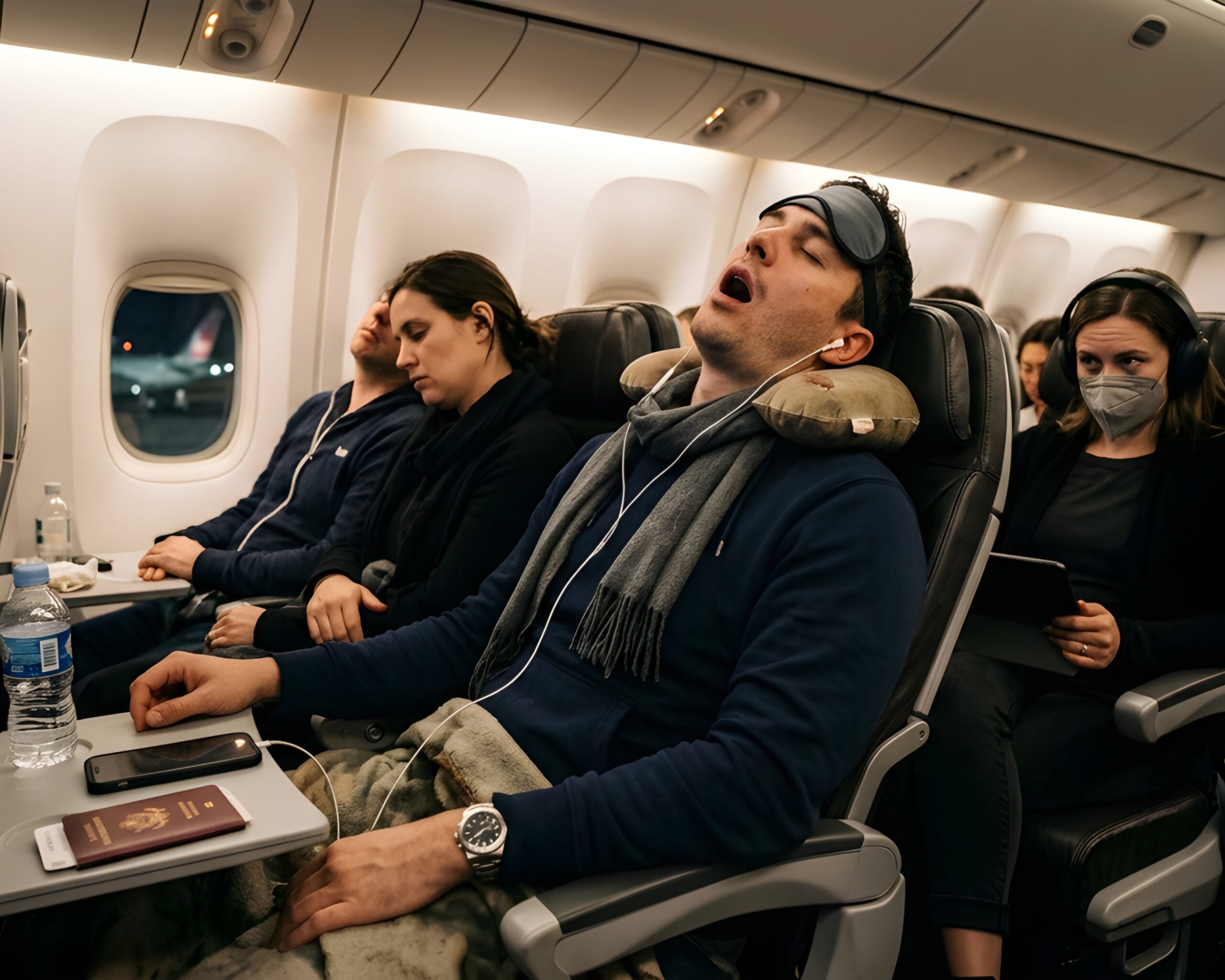
Travelling is meant to be relaxing. But for many Australians, snoring can quietly turn a long-haul flight, road trip, or hotel stay into a stressful experience.
Whether it is snoring in plane cabins, dozing off during a snoring in train commute, or even snoring while sleeping in the car with your partner driving beside you, the situation is more common than most people admit. In fact, with around 40 percent of Aussie men and 30 percent of women snoring regularly, chances are high that every trip includes at least one snorer.
If you have ever worried about being “that passenger” or struggled with travelling with someone who snores, this guide is here to help. More importantly, it shows how a simple, portable solution like SnoreMD can make travel more comfortable for everyone involved.
Why Snoring Feels Worse When You Travel
You might not snore much at home, but travelling changes things.
Dry aeroplane air, hotel air conditioning, alcohol during flights, and awkward sleeping positions all make snoring more likely. Even people who rarely snore can suddenly find themselves doing it mid-flight.
There is also the fatigue factor. Many travellers wake up early for flights or spend long hours in transit. That sleep debt makes it easier to fall into deeper sleep quickly, which is exactly when snoring happens.
For regular snorers, it creates a frustrating cycle. You are tired, so you nap. But the moment you fall asleep, your airway relaxes and the snoring begins.
The Social Side: Embarrassment and Travel Tension
Snoring is not just a physical issue. It can feel surprisingly personal.
Many Australians feel embarrassed when they wake themselves up with a loud snort or notice someone nearby reacting. That quick “jolt awake and look around” moment is something most snorers recognise.
In shared spaces, it can also create tension. If you have ever thought, “I’m having difficulty travelling with my partner because he snores”, you are not alone. Snoring is one of the most common reasons couples request twin beds or separate sleeping arrangements while on holiday.
Even in lighter situations, like a road trip, snoring while sleep in car can leave the passenger feeling guilty and the driver distracted.
Common Anti-Snoring Options Aussies Pack for Travel
When it comes to how to stop snoring while travelling, most Australians look for solutions that are simple, compact, and don’t rely on power.
Oral Appliances (Mouthpieces)
A mouthpiece for snoring is one of the most popular travel choices.
These small devices sit in your mouth like a sports guard and gently move your jaw forward to keep your airway open. They are quiet, easy to carry, and ideal for planes, trains, or shared accommodation.
Many travellers prefer them because they work from the first night and do not require electricity.
Nasal Strips and Dilators
If snoring is linked to blocked nasal passages, strips or internal dilators can help open airflow.
They are lightweight and easy to pack, but they tend to be more effective for mild or congestion-related snoring rather than throat-based snoring.
EPAP Devices
These are small adhesive valves placed over the nostrils that create pressure using your own breath.
They are more advanced than nasal strips but still compact enough for travel.
Positional Tools and Anti-Snore Pillows
Sleep position plays a huge role in snoring, especially when you are away from your usual bed.
Anti-snore pillows are designed to keep your head and neck aligned, which helps prevent your airway from collapsing. Many travellers now pack inflatable or memory foam versions specifically made for travel.
For back sleepers, even a slight elevation can make a noticeable difference. This is why these pillows are often listed among the best lightweight snoring solutions for business trips and best compact snoring aids for on-the-go use.
While they may not completely stop snoring on their own, they work well alongside a mouthpiece to prevent snoring, especially in unfamiliar sleeping environments like hotels or caravans.
Sound Masking
Sometimes the solution is for the travel partner. Noise-masking earbuds or white noise apps can help manage the sound rather than stop it.
Why Many Travellers Choose a Mouthpiece
Among all options, mouthpiece snoring devices are often considered the most practical for frequent travellers.
They are compact, silent, and address the root cause of throat-based snoring. This makes them a strong choice for anyone searching “do snoring mouthpieces work?” or “do mouthpieces stop snoring?”
For many Australians, they are seen as one of the best travel-friendly snoring relief devices because they balance portability and effectiveness.
How SnoreMD Fits Into Travel Life
If you are looking for a reliable anti-snoring mouthpiece that works well on the go, SnoreMD is often mentioned among the top-rated portable mouthguards for snoring.
What makes it especially suited for travel?
It does not rely on power
Unlike CPAP machines, there are no cords, batteries, or water chambers to worry about. This makes it ideal for flights, camping trips, or remote stays.
It is compact and discreet
It fits easily into a carry-on or even a pocket. The included case helps keep it clean and protected while you move between destinations.
It works from the first night
This is important when you are sharing a hotel room or cabin. You do not need weeks of setup to see results.
It is adjustable
The ability to fine-tune the fit is what sets it apart from basic options. Instead of forcing your jaw forward immediately, you can gradually adjust it for comfort.
This is why it is often included in lists of best anti-snoring mouthpieces for travel and top anti-snoring mouthpieces for frequent travellers.
Real Travel Moments Where a Mouthpiece and Pillow Help
Many travellers describe similar experiences when combining a no snore mouthpiece with supportive positioning tools.
On flights, a mouthpiece helps keep the airway open, while a travel pillow supports the neck to prevent the head from dropping forward.
In hotel rooms, this combination reduces both snoring intensity and sleep interruptions, making it easier to share a space.
On road trips, it allows passengers to nap more comfortably without worrying about disturbing others.
For those who regularly deal with travelling with someone who snores, using both tools together can significantly reduce nightly disruptions.
A Simple Routine for Travelling with a Mouthpiece
Using a mouthpiece to prevent snoring while travelling does not need to be complicated.
Rinse it each morning with lukewarm water.
Give it a gentle clean with a toothbrush when possible.
Let it air dry before storing it in its case.
If you are also using a travel pillow, make sure it is aired out or cleaned regularly, especially in warm Australian climates where moisture can build up quickly.
Travel Without the Snore Stress
Snoring might be common, but it does not have to define your travel experience.
Whether you are worried about snoring in plane cabins, dealing with travelling with someone who snores, or simply trying to get better rest on the go, having the right combination of tools makes a real difference.
For many Australians, pairing a compact solution like SnoreMD with a supportive anti-snore pillow offers a practical balance of comfort, portability, and effectiveness.
It is not just about being quieter. It is about feeling more relaxed, less self-conscious, and actually enjoying the journey.


 EOFY Sale!