
Snoring is often managed with a mandibular advancement device (MAD) such as SnoreMD, but many people with restorative dentistry including crowns, bridges, or implants often ask whether these devices are safe to use.
The short answer is that many individuals with well maintained dental work can use a compatible mouthpiece, but suitability depends on the condition of the restoration, the fit of the device, and professional guidance from a dentist.
Understanding how oral appliances interact with fixed prosthodontics is important for protecting both your dental work and long term comfort.
How mandibular advancement devices interact with dental crowns
A mandibular advancement device works by gently moving the lower jaw forward to keep the airway open during sleep. This creates controlled pressure across the teeth and jaw.
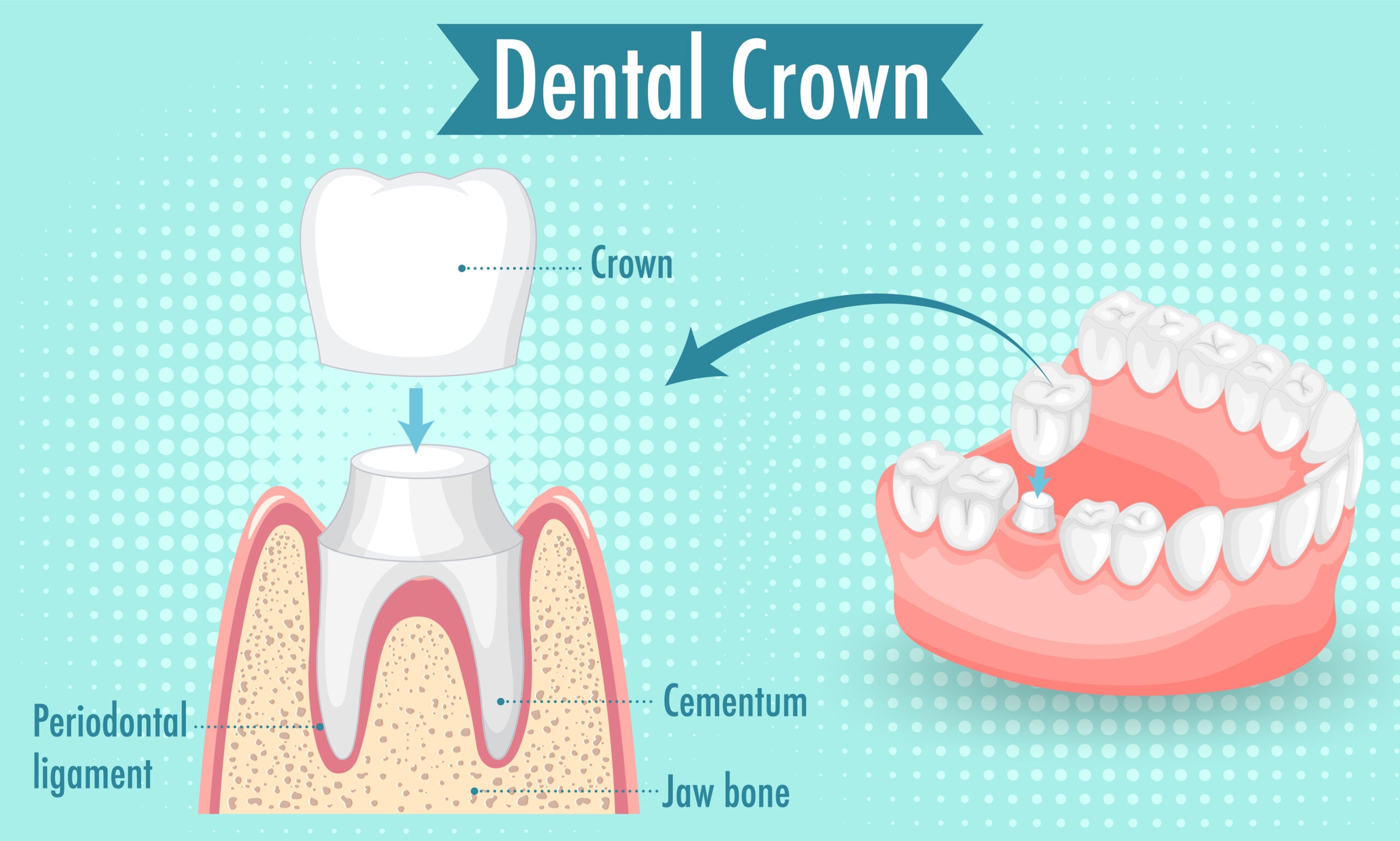
For people with a dental crown, compatibility usually depends on stability. If the crown is securely bonded and the underlying tooth is healthy, it can generally tolerate the distributed force from a well fitted device.
Modern oral appliances are designed to spread pressure across the full dental arch rather than focusing on one tooth. This reduces the risk of stress on a single crown or dental cap crown, which is important in both aesthetic restorative dentistry and functional dental work.
However, older crowns or those with weakened bonding may be more vulnerable, particularly if there is decay at the margins or if the restoration has loosened over time.
Crowns, bridges and other fixed prosthodontics
When considering a mouthpiece for snoring, different types of fixed prosthodontics behave differently under pressure.
A dental bridge can be more sensitive because it relies on multiple anchor teeth. If those supporting teeth are not strong, forward jaw movement from an oral appliance may create added strain on the structure.
Bridges are designed for normal chewing forces, not sustained forward tension. For this reason, fit and stability are especially important when using any adjustable anti snoring mouthpiece.
Dental implants are generally more stable because they are anchored into the jawbone. However, the visible crown attached to the implant still needs to be secure and checked for tightness before use.
Veneers and other forms of cosmetic dentistry may also require extra caution since they rely heavily on surface bonding rather than full tooth coverage.
Why fit quality matters more with restorative dentistry
One of the key concerns with generic or poorly fitted devices is uneven pressure distribution. This is especially relevant for people with crowns, bridges or other forms of restorative dentistry.
Low quality mouthpieces can create pressure points that concentrate force on a single tooth. Over time, this may affect bonding strength or cause discomfort around the restoration.
A well designed adjustable mandibular advancement device is generally safer because it allows gradual jaw positioning and a more even distribution of force across all teeth.
For people searching for a compatible mouthpiece for dental crown or a mouthpiece for snoring compatible with fixed prosthodontics, proper fit and adjustability are key considerations.
Potential issues with low quality snoring mouthpieces
Not all oral appliances are suitable for people with dental work. Generic boil and bite devices can sometimes lack precision, which increases the risk of uneven pressure.
Common issues include localised stress on crowns, difficulty removing the device if it grips restorations too tightly, and inconsistent bite alignment. These factors can place unnecessary strain on fixed prosthodontics bridge work or cosmetic restorations.
In some cases, poorly fitted devices may also irritate gum tissue around dental margins, particularly where crowns or implants meet the gum line.
This is why many dental professionals recommend more precise or professionally fitted options when restorative work is present.
SnoreMD and compatibility with dental work
SnoreMD is a semi custom anti-snoring adjustable mouthpiece that uses a boil and bite system with incremental adjustment settings.
For many users, it provides a practical option for managing snoring without CPAP, particularly when waiting for sleep studies or exploring alternatives to a sleep CPAP machine.
When it comes to crowns and other dental restorations, compatibility depends on individual dental health. If crowns or bridges are securely fitted and there are no signs of looseness, the device may be suitable with dentist approval.
Its adjustability allows users to find a lower level of jaw advancement, which may reduce unnecessary stress on dental work compared to non adjustable devices.
However, it is generally not recommended for use immediately after new dental procedures or when restorations are still settling.
When to seek dental advice before using a mouthpiece
Before using any mandibular advancement device, it is important to have a dental check up if you have:
- Multiple crowns or bridges
- Recent cosmetic dentistry work
- Known issues with bite alignment
- Loose or sensitive restorations
A dentist can assess whether your fixed prosthodontics are stable enough to handle nightly use of an oral appliance and help determine the most suitable device type.
Final considerations
For many people with dental crowns or restorative work, oral appliances can still be part of a broader approach to managing snoring. The key is selecting a device that offers a secure fit, even pressure distribution, and adjustability.
While SnoreMD may be suitable for some users, especially those seeking a practical alternative to CPAP, individual dental conditions should always guide the final decision.
If you are unsure, a dental assessment remains the safest starting point to ensure your oral health and sleep therapy work together effectively.