What is Sleep Apnea?

Sleep apnoea is a potentially serious sleep disorder where breathing repeatedly stops and starts during the night. This can result in disrupted sleep, reduced oxygen levels in the bloodstream, and a range of negative health effects.

It’s more than just loud snoring—it can impact your wellbeing, mood, and quality of life.
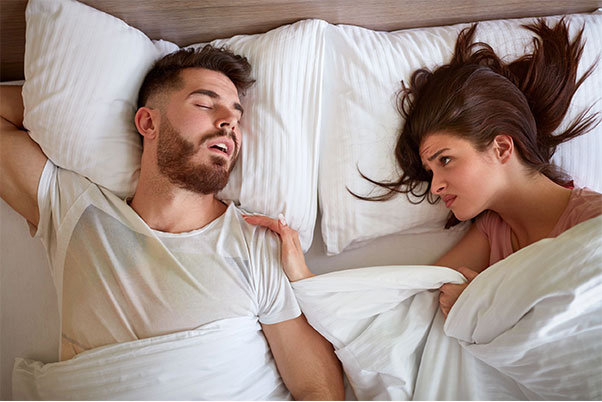
Couple in Bed - Waking partner with Sleep Apnea

What Causes Sleep Apnoea?

There are several factors that can lead to the development of sleep apnoea.

  • Excess weight or obesity
  • Narrowed airways (e.g., large tonsils or adenoids)
  • Family history (Is sleep apnoea hereditary? Yes—genetics can play a role)
  • Alcohol or sedative use
  • Nasal congestion or allergies
  • Smoking
  • Sleeping on your back
  • Excess weight or obesity
  • Narrowed airways (e.g., large tonsils or adenoids)
  • Family history (Is sleep apnoea hereditary? Yes—genetics can play a role)
  • Alcohol or sedative use
  • Nasal congestion or allergies
  • Smoking
  • Sleeping on your back
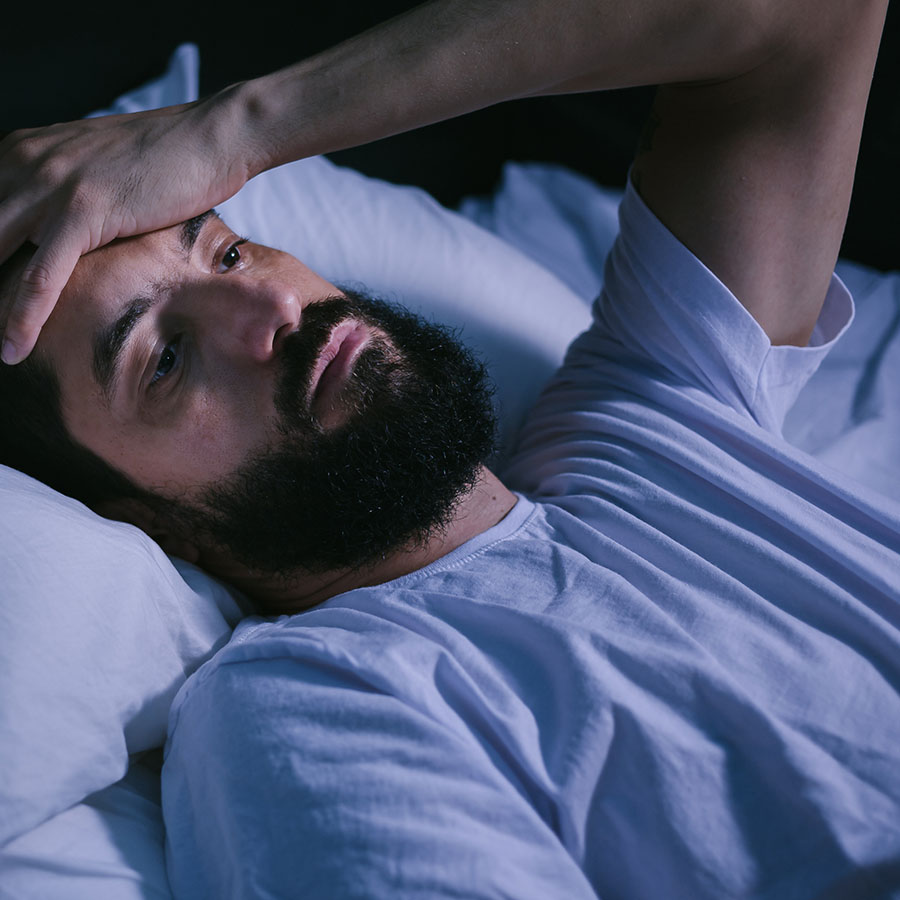
Man with beard lying in bed at night struggling from poor sleep from sleep apnoea

Understanding the Signs of Sleep Apnoea

How to Know If You Have Sleep Apnoea

Wondering how to tell if you have sleep apnoea? Here are some common signs and symptoms:

  • Loud, chronic snoring
  • Gasping or choking sounds during sleep
  • Excessive daytime tiredness or fatigue
  • Morning headaches
  • Difficulty focusing or poor concentration
  • Irritability or mood swings

Often, it’s a sleep partner who first notices these pauses in breathing—these are key signs of obstructive sleep apnoea (OSA).

Sleep Apnoea Check: Understanding AHI and Severity

The Apnoea-Hypopnoea Index (AHI) helps determine how severe your sleep apnoea is:

Normal

Fewer than 5 events per hour

Mild Sleep Apnoea

5–14 events per hour

Moderate Sleep Apnoea

15–29 events per hour

Severe Sleep Apnoea

30 or more events per hour

To get an accurate sleep apnoea check, speak with your doctor, pharmacist, or sleep specialist. They may refer you for a sleep study (polysomnography) or offer an at-home testing solution.

Is Sleep Apnoea Dangerous?

Yes. Untreated sleep apnoea can lead to a range of serious health conditions, including:

  • High blood pressure
  • Cardiovascular disease
  • Stroke
  • Depression and anxiety
  • Memory issues
  • Increased risk of accidents (driving or workplace)
  • High blood pressure
  • Cardiovascular disease
  • Stroke
  • Depression and anxiety
  • Memory issues
  • Increased risk of accidents (driving or workplace)

Sleep Apnoea Treatment Options

Grey CPAP Sleep Apnea Device

CPAP Therapy

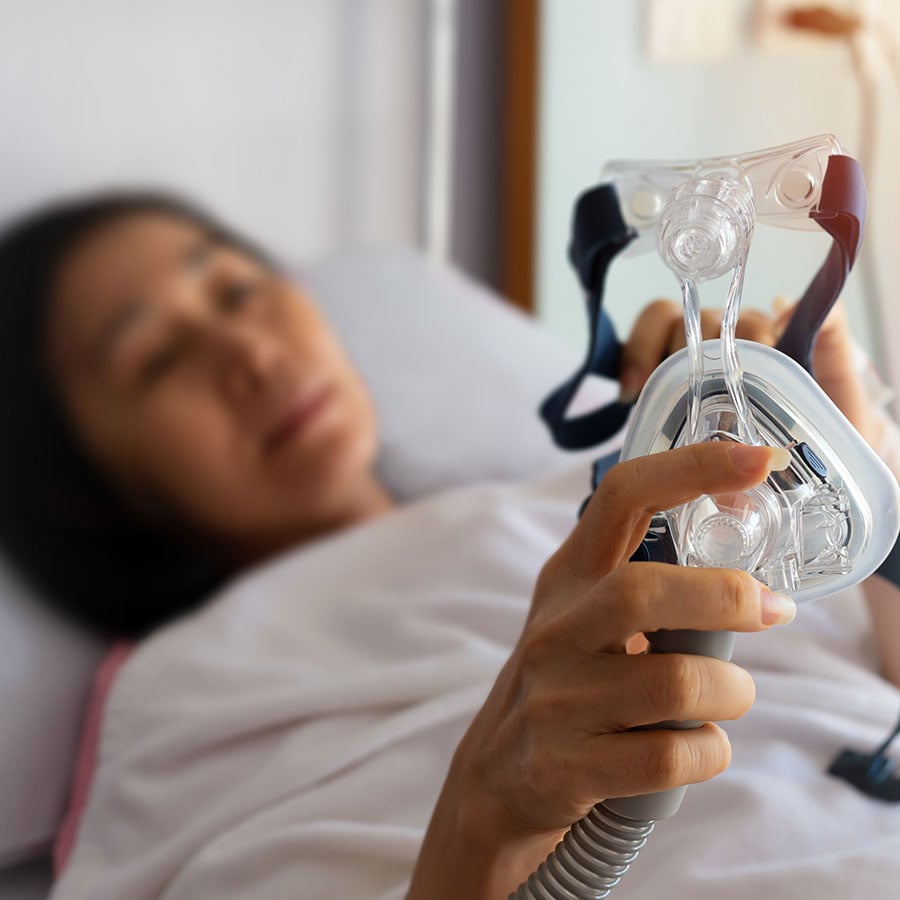
For those with severe sleep apnoea, CPAP (Continuous Positive Airway Pressure) is often the recommended solution. It keeps the airway open by delivering a steady stream of air through a mask.

SnoreMD Lock Feature

Mouthguards for Snoring

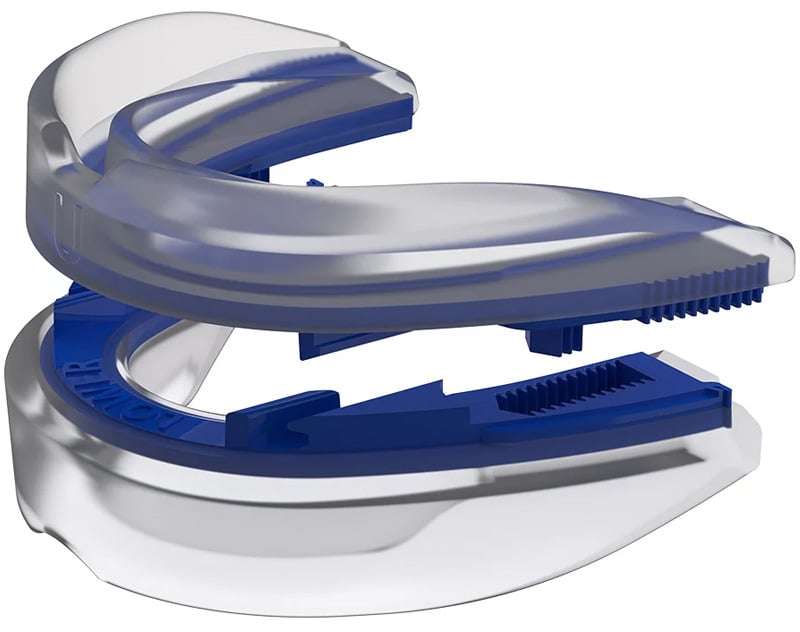
For mild to moderate snoring, a doctor, sleep physician, or pharmacist may recommend an oral appliance such as a snoring mouthguard. These devices help reposition the lower jaw and tongue to keep the airway open during sleep, reducing snoring and improving overall sleep quality.

A snore mouthguard is a simple, non-invasive solution that can be customised for comfort and effectiveness. By gently adjusting the jaw, it minimises airway vibrations that cause snoring, helping both you and your partner enjoy a more restful night.

Buy Now

Symptoms and Causes of Snoring

While not everyone who snores has sleep apnoea, snoring is one of the most common symptoms.

Common Causes of Snoring:

  • Alcohol consumption before bed
  • Being overweight
  • Enlarged tonsils or adenoids
  • Sleeping on your back
  • Nasal blockages or congestion
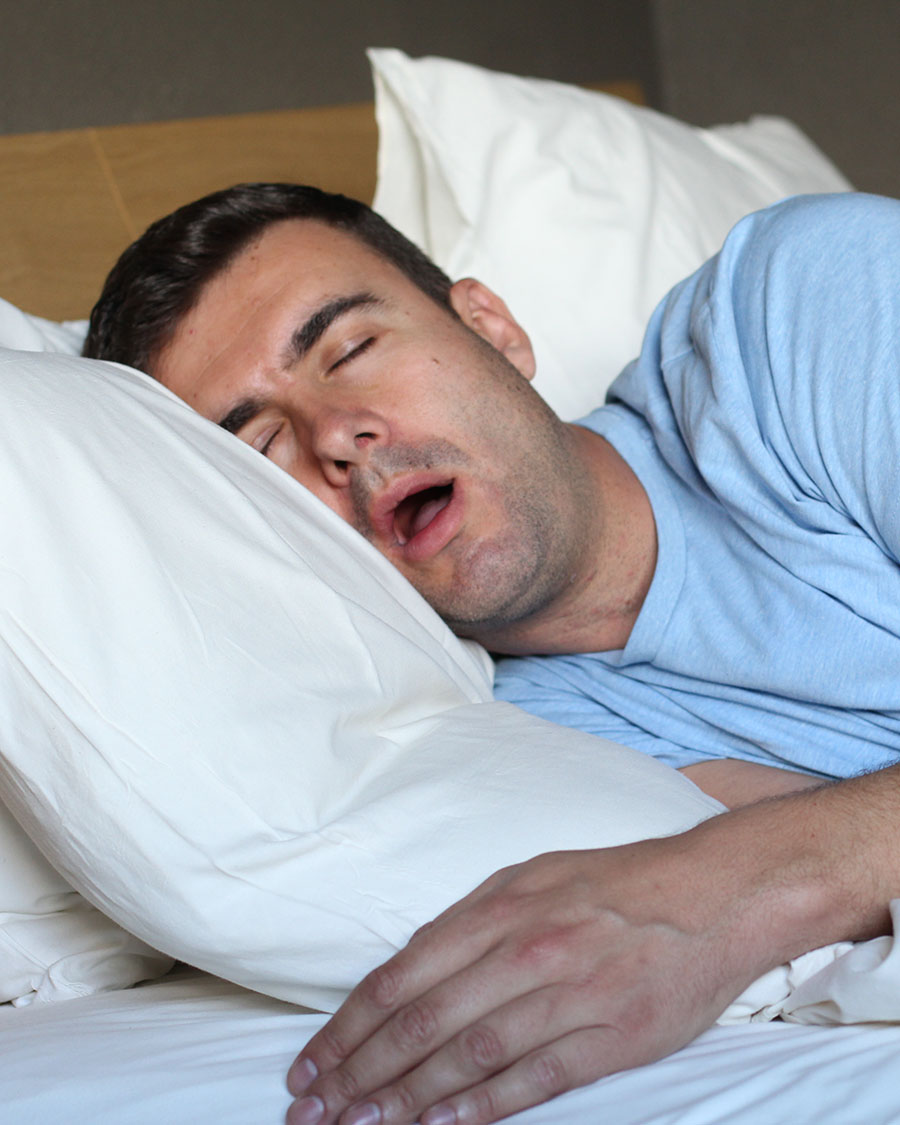
Man Snoring

Snoring vs Sleep Apnoea: Know the Difference

Feature

Snoring

Sleep Apnoea

Sound
Loud, continuous
Loud with gasping, choking, or snorting
Breathing Pauses
Rare or absent
Frequent (10–30+ times per hour)
Daytime Fatigue
Occasional
Frequent or constant
Health Risks
Minimal
High (cardiovascular, metabolic, etc.)
Woman in bed, holding a CPAP mask for treating sleep apnoea.

How Can You Prevent Sleep Apnoea?

While some factors are genetic or structural, there are ways to reduce your risk:

  • Maintain a healthy weight
  • Avoid alcohol and sedatives in the evening
  • Sleep on your side instead of your back
  • Manage nasal allergies or congestion
  • Use sleep mouthguards for snoring if advised by a healthcare professional

SnoreMD vs Alternatives

Snoring Aid Comparison Table

Feature
SnoreMD
Nasal Strip
Nasal Clip
Dental Mouthguard
Yearly Cost
$169.95
$377.05
($31.40/month)
$364.40
($39.35/month)
$1,500–$2,500
Cost Per Sleep (12 Months)
$0.46
$1.03
$1.00
$4.10–$6.84
No Ongoing Costs

Money Back Guarantee

12-Month Warranty

Dental Grade Material

Adjust Fit Without Re-Moulding

Reusable & Remouldable

Customisable Jaw Control

Made in Australia

Recommended by Sleep Experts

Clinically Tested to Help Reduce Snoring

Relieves nasal congestion only
Dilates airway only

Say Goodnight to Sleep Apnoea

Sleep apnoea is a serious but treatable condition. By recognising the early signs of sleep apnoea and exploring solutions, you can drastically improve your sleep quality, health, and energy levels.

Speak to your doctor or pharmacist about a sleep apnoea check and explore proven, affordable treatments available right here in Australia.

⏰ Flash Sale!

Get $20 off your order + FREE express shipping.

**Hurry - Limited Time Only!**

Click Apply Discount