
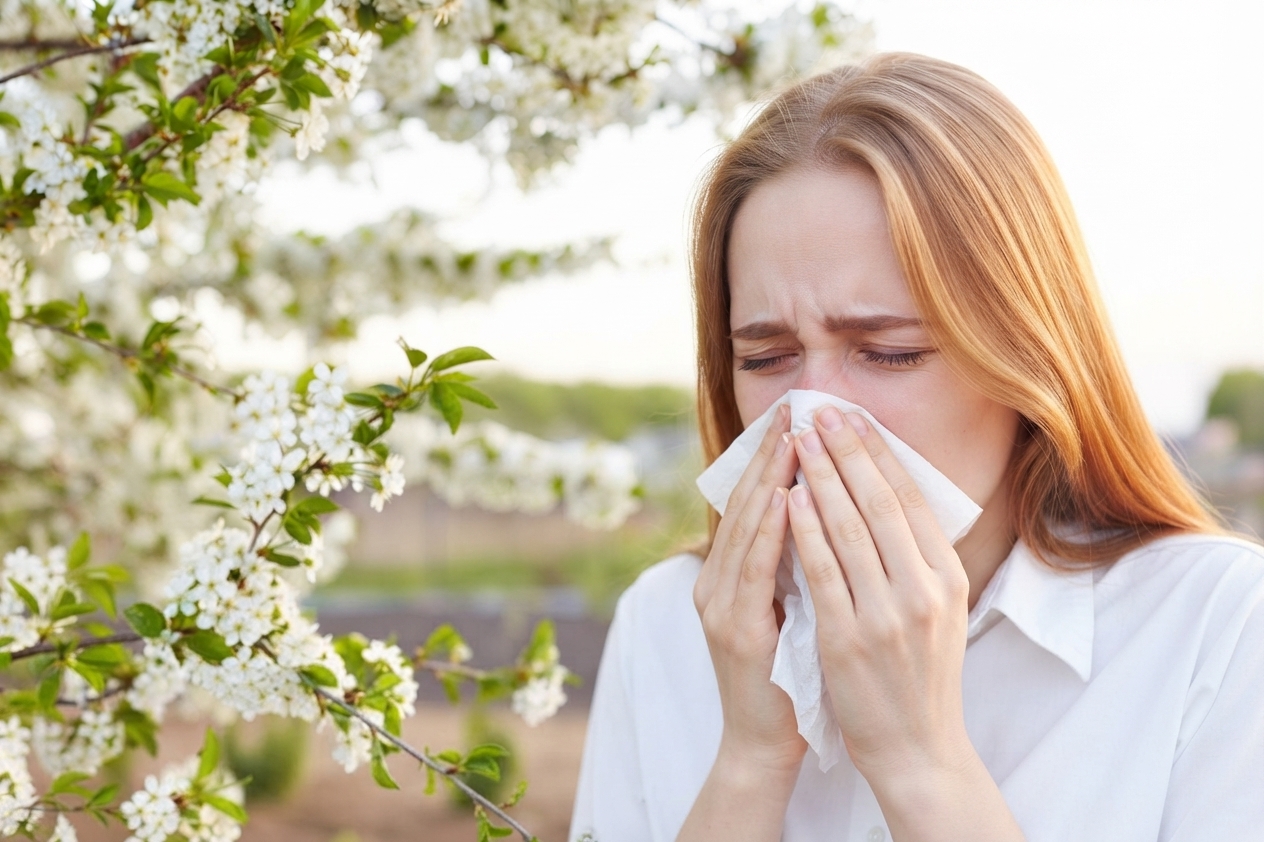
If you’ve ever found yourself asking, “Can allergies cause snoring?” The short answer is yes.
Every spring, thousands of Australians who normally sleep quietly begin snoring because of hay fever and seasonal allergies. Others who already snore often notice their snoring becomes louder, more frequent, or leaves them waking with a dry mouth and sore throat. The reason isn’t that allergies suddenly change your throat overnight—it’s that they change how you breathe while you sleep.
This is especially common in Canberra and Brisbane, where spring pollen levels rise from September through December. In Canberra, tree pollen gives way to intense grass pollen during October and November. In Brisbane, spring tree pollen is followed by increasing grass pollen heading into summer.
This guide explains:
- Why seasonal allergies make some people snore.
- Why even non-snorers can start snoring during allergy season.
- Whether it’s safe to use an oral appliance like SnoreMD while managing seasonal allergies.
- Safe, non-invasive ways to reduce allergy-related snoring.
Important: SnoreMD is designed to help reduce habitual snoring in adults. It is not an allergy treatment and is not intended to diagnose or treat sleep apnoea.
Quick answer — Can allergies make you snore?
Yes. Seasonal allergies can temporarily cause or worsen snoring because they inflame your nasal passages, making it harder to breathe through your nose. When your nose becomes blocked, your body naturally switches to mouth breathing during sleep, increasing vibration in the soft tissues at the back of the throat—the sound we recognise as snoring.
For many people, allergy-related snoring improves once pollen exposure decreases or nasal congestion is managed.
The connection between allergies and snoring
Your nose does more than help you breathe. During sleep, it filters, warms and humidifies the air you inhale while helping maintain normal airflow through the upper airway.
When seasonal allergens enter your nose, your immune system releases histamine and other inflammatory chemicals. This can lead to:
- Swollen nasal passages.
- Increased mucus production.
- Postnasal drip.
- Nasal congestion that restricts airflow.
As nasal breathing becomes more difficult, many people begin breathing through their mouths while asleep.
Why mouth breathing causes snoring
The shift from nasal breathing to mouth breathing changes the position of your jaw, tongue and throat tissues.
| What allergies do | How this can affect snoring |
| Nasal congestion narrows the airway. | Air has a harder time passing through the nose. |
| Mouth breathing becomes more common. | The tongue and soft palate are more likely to vibrate. |
| Postnasal drip irritates the throat. | Inflamed tissues may contribute to noisier breathing. |
| Dry mouth develops overnight. | Snoring may feel louder and sleep may become less refreshing. |
This explains why snoring due to allergies often appears during spring and improves once congestion settles.
Three common allergy and snoring scenarios
1. “I’m already a snorer, but seasonal allergies make it worse.”
This is one of the most common experiences.
If you already have mild to moderate habitual snoring, spring allergies can add another layer of airway resistance. Even mild nasal congestion can encourage more mouth breathing, making snoring louder or more frequent.
You may notice:
- Louder snoring during spring.
- More dry mouth in the morning.
- Feeling less rested despite sleeping for the same number of hours.
- Symptoms improving after pollen season ends.
Managing the allergy symptoms alongside your usual snoring routine can often make sleep more comfortable.
2. “I’ve never been a snorer, but I started snoring during allergy season.”
Yes—this can happen.
Temporary seasonal allergy snoring affects people who don’t normally snore because congestion changes how they breathe at night.
If your snoring only appears when pollen counts are high and disappears once allergy symptoms settle, allergies may be contributing to the problem.
Common allergy snoring symptoms include:
- Snoring only during spring or high-pollen days.
- A blocked or runny nose before bed.
- Sneezing, itchy eyes or hay fever during the day.
- Waking with a dry throat after sleeping.
3. “I snore and also take allergy medication. Can I still use an oral appliance?”
In many cases, yes.
An oral appliance for snoring works mechanically by positioning the jaw forward. It does not interact with common over-the-counter allergy medications such as antihistamines or pharmacist-recommended nasal sprays.
However, medication does not always remove congestion immediately, so comfort and breathing should always come first.
Why Canberra and Brisbane are challenging during spring
Seasonal allergies don’t affect every Australian city equally.
Canberra allergy season (September–December)
Canberra is known for particularly intense spring pollen seasons.
| Month | What happens |
| September | Tree pollen begins increasing across Canberra. |
| October | Tree pollen remains high while grass pollen starts rising. |
| November | Grass pollen typically reaches its highest levels, making this one of Canberra’s worst allergy months. |
| December | Grass pollen remains elevated into early summer. |
Hot northerly winds can carry ryegrass pollen into the ACT, creating significant pollen spikes during spring. Local pollen forecasting services recommend monitoring daily pollen counts during this period.
Brisbane allergy season (September–December)
Brisbane’s subtropical climate creates a different pattern.
| Month | Primary allergy trigger |
| September | Tree pollen begins increasing. |
| October | Tree pollen continues across spring. |
| November | Grass pollen starts increasing before summer. |
| December | Grass pollen continues rising into Brisbane’s summer allergy season. |
Although Brisbane experiences allergies across much of the year, spring is often when many residents first notice worsening congestion and snoring during allergy season.
How many Australians are affected by seasonal allergies?
Seasonal allergies are extremely common in Australia.
According to the Australian Bureau of Statistics National Health Survey, approximately 23.9% of Australians have hay fever or allergic rhinitis—nearly one in four people.
Research also shows the Australian Capital Territory has one of the highest reported rates of hay fever in the country, making Canberra residents particularly vulnerable during spring pollen season.
While allergies are more common in people with a family history of allergic conditions, they can also develop later in life, including after moving to a new environment with different pollen exposure.
How to stop snoring caused by allergies safely
If allergies are making you snore, the goal is to reduce nasal irritation and improve airflow before bedtime.
A simple bedtime routine for allergy season
| Before bed | Why it may help |
| Shower and wash your hair. | Removes pollen collected during the day. |
| Use a saline nasal rinse or spray. | Helps clear pollen, mucus and nasal irritants. |
| Keep bedroom windows closed on high-pollen days. | Reduces pollen entering the bedroom overnight. |
| Run a HEPA air purifier if available. | Helps reduce airborne allergens indoors. |
| Stay hydrated. | May reduce overnight dry mouth caused by mouth breathing. |
| Sleep on your side instead of your back. | Can reduce airway collapse associated with snoring. |
These are safe, non-invasive strategies that focus on managing allergy and snoring together.
Can you still use SnoreMD if you have seasonal allergies?
For many adults with mild to moderate habitual snoring, an oral appliance like SnoreMD can still be used during allergy season when nasal congestion is manageable.
How do oral appliances work to reduce snoring?
SnoreMD is a mandibular advancement device. It gently positions the lower jaw slightly forward while you sleep, helping create more space behind the tongue where snoring vibrations commonly occur.
Because it works mechanically, it does not treat pollen allergies or reduce nasal inflammation.
When SnoreMD may still be suitable
| Situation | General guidance |
| Mild seasonal allergies with some congestion. | May still be suitable if breathing remains comfortable. |
| Taking antihistamines or nasal allergy medication. | The appliance generally does not interfere with common allergy medicines. |
| Mild to moderate habitual snorer during spring. | May continue using the appliance alongside allergy management. |
When it’s better to temporarily pause using an oral appliance
There are times when comfort and breathing should come first.
Consider pausing use if:
- Your nose is completely blocked.
- You feel unable to breathe comfortably while wearing the appliance.
- You have a significant allergy flare with severe congestion.
- You develop persistent jaw pain, tooth discomfort or bite changes.
An oral appliance should never be forced through severe nasal obstruction.
Precautions for using an oral appliance during allergy season
If you’re using SnoreMD while managing seasonal allergies and snoring, a few practical precautions can improve comfort.
1. Clear your nose before inserting the appliance
If you’re using a saline rinse or pharmacist-recommended allergy treatment, allow enough time before bed for congestion to improve.
2. Keep your oral appliance clean
During allergy season:
- Wash your hands before handling it.
- Clean it daily using cool or lukewarm water, a soft toothbrush and mild liquid soap.
- Allow it to dry before storing.
This helps remove saliva, bacteria and environmental allergens that may settle on the device.
3. Stay hydrated
Mouth breathing can increase dry mouth and throat irritation overnight, particularly during pollen season.
4. Don’t ignore breathing discomfort
If congestion becomes severe overnight and breathing feels uncomfortable, remove the appliance rather than continuing to wear it through the night.
Frequently asked questions
Do allergies make snoring worse?
Yes. Seasonal allergies can increase congestion and mouth breathing, making existing snoring louder or more frequent during pollen season.
Can someone who has never snored start snoring because of allergies?
Yes. Temporary snoring can develop during allergy season when nasal congestion forces mouth breathing.
Do oral appliances help with snoring when I have allergies?
They may help reduce habitual snoring caused by throat vibration, but they do not treat allergies or unblock a congested nose.
What are the best oral appliances for people with allergies?
A clinically designed mandibular advancement device intended for habitual snoring may still be appropriate if allergy symptoms are manageable and the appliance is cleaned regularly.
Where can I buy an oral appliance that’s safe for allergy sufferers?
SnoreMD is available through selected Australian pharmacies and authorised retailers. Purchasing through authorised stockists helps ensure you’re receiving a genuine Australian product.
The bottom line
Seasonal allergies and snoring often go hand in hand. Whether you’re someone whose snoring gets worse every spring, someone who only snores during allergy season, or someone managing both allergies and habitual snoring, improving nasal airflow is an important first step.
For adults with mild to moderate habitual snoring, an oral appliance like SnoreMD may still be suitable during allergy season when congestion is manageable. It should be viewed as part of an overall sleep routine that includes reducing pollen exposure, managing nasal congestion, maintaining good sleep hygiene, and cleaning the appliance daily.
If your snoring is new, continues after allergy season ends, or is accompanied by symptoms such as repeated pauses in breathing during sleep, seek assessment from a qualified healthcare professional.
Medical Disclaimer : This article is for general educational purposes only and is not medical advice. SnoreMD is intended to help reduce habitual snoring in adults and is not intended to diagnose, treat, cure or prevent seasonal allergies or sleep apnoea. If your allergy symptoms are severe, persistent, or significantly affect your breathing or sleep, consult your GP, pharmacist, dentist, or another qualified healthcare professional for personalised advice.


 Sale!
Sale!