
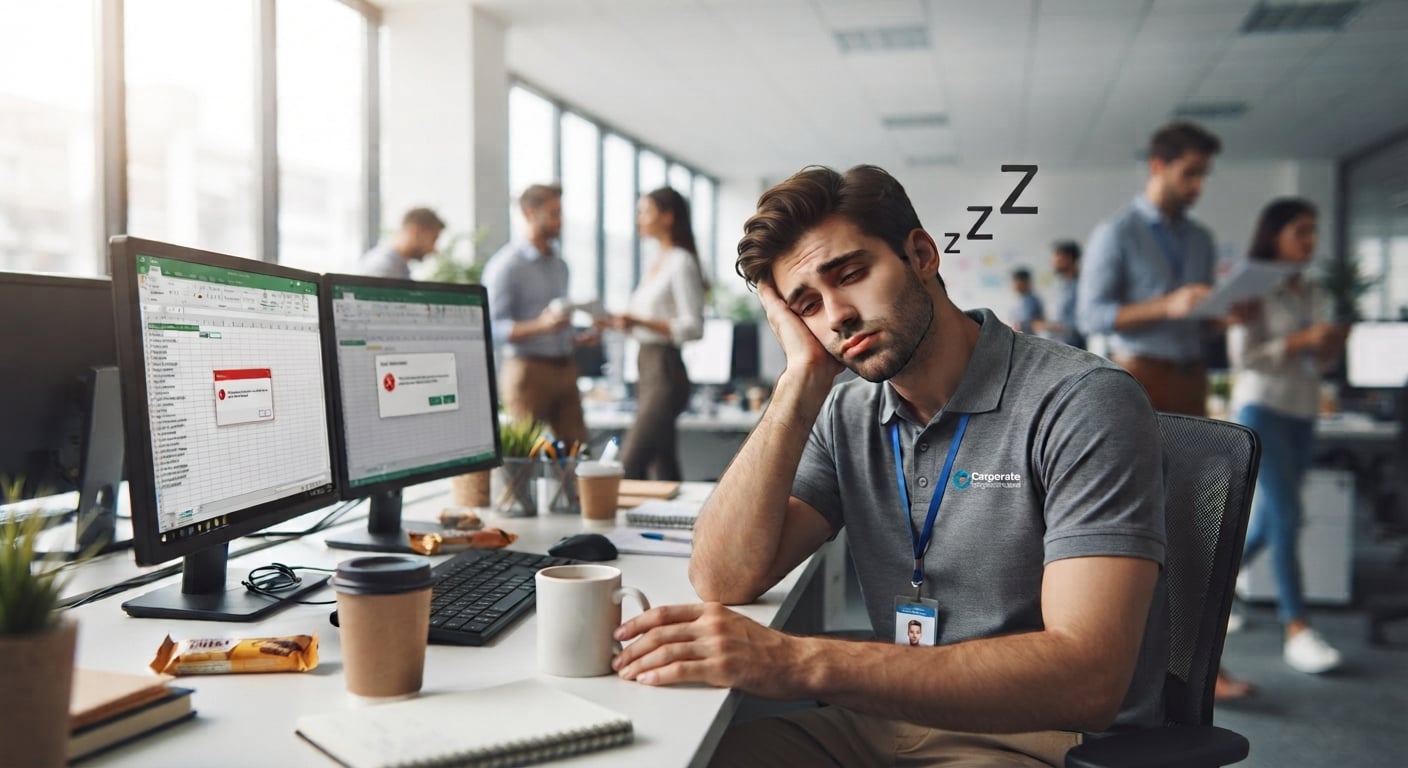
Getting enough sleep is essential for maintaining focus, energy and performance throughout the working day. However, sleep quality is just as important as the number of hours spent asleep.
A person can spend seven to nine hours in bed and still wake up feeling tired if their sleep is repeatedly interrupted. One possible cause of disrupted sleep is snoring. While occasional snoring may simply be a common nighttime disturbance, frequent and disruptive snoring can sometimes contribute to sleep fragmentation, affecting the quality of restorative sleep.
For Australian workers, understanding the relationship between snoring, sleep quality and workplace productivity can help identify potential factors that influence concentration, workplace wellness and safety.
Does Snoring Affect Work Performance?
Snoring does not always mean a person is sleep deprived or has a medical condition. However, ongoing loud snoring may be associated with disrupted sleep, particularly when it occurs alongside symptoms such as daytime fatigue, difficulty concentrating, morning headaches or frequent waking during the night.
During healthy sleep, the body moves through different sleep stages that support physical recovery, memory processing and cognitive function. When sleep is repeatedly interrupted, the brain may experience brief awakenings known as micro-arousals. These interruptions can prevent someone from achieving enough continuous deep and restorative sleep.
Over time, fragmented sleep may contribute to:
- Reduced concentration and attention
- Slower reaction times and decision-making
- Increased daytime tiredness
- Difficulty maintaining focus during demanding tasks
- Lower energy and workplace engagement
This means the impact of snoring is not only about the noise itself — it may also relate to how well the body and brain recover overnight.
The Link Between Sleep Fragmentation, Workplace Safety and Errors
Sleep quality is an important consideration in workplace safety, particularly in industries where alertness, precision and quick decision-making are essential.
Poor-quality sleep and ongoing fatigue can affect cognitive performance, increasing the likelihood of reduced awareness, slower responses and mistakes. In some situations, severe sleep disruption may contribute to microsleeps — brief episodes where the brain unintentionally enters a sleep-like state.
These risks are particularly relevant in industries such as:
Transport and Logistics
Commercial drivers, delivery workers and logistics professionals rely on sustained concentration and fast reactions. Fatigue caused by disrupted sleep may affect attention levels when driving, operating vehicles or managing workplace equipment.
Mining and Construction
Workers in mining, construction and heavy industries often operate machinery or work in environments where safety depends on constant awareness. Sleep problems can become an additional risk factor alongside other workplace hazards.
Healthcare and Emergency Services
Healthcare workers frequently manage long shifts and irregular schedules. Maintaining focus and accuracy is critical, as fatigue may affect decision-making, communication and task performance.
Manufacturing and Industrial Work
Manufacturing roles often require precision, repetition and consistent attention. Poor sleep quality may make it more challenging to maintain alertness throughout extended shifts.
While snoring alone does not determine workplace performance, addressing factors that affect sleep quality can form part of a broader approach to workplace wellness and safety.
Sleep Deprivation and Workplace Productivity in Australia
Sleep is increasingly recognised as an important part of employee wellbeing and workplace performance.
Australian sleep research has highlighted the impact of inadequate sleep and sleep disorders on individuals, businesses and the wider economy. One significant issue is presenteeism — when employees attend work but are not operating at their usual level due to fatigue, reduced focus or lower mental alertness.
Unlike absenteeism, presenteeism can be difficult to identify because employees are still physically present at work. However, reduced concentration, slower processing and increased errors can affect productivity and workplace outcomes.
For people experiencing persistent snoring, understanding the potential cause is an important first step. In some cases, chronic loud snoring may be associated with obstructive sleep apnoea (OSA), a sleep disorder where breathing repeatedly becomes restricted during sleep.
Anyone experiencing symptoms such as loud disruptive snoring, breathing interruptions during sleep, gasping or choking sounds, or excessive daytime tiredness should consider speaking with a healthcare professional for appropriate assessment.
Supporting Better Sleep and Reducing Snoring Disruptions
Improving sleep quality often involves a combination of healthy sleep habits and understanding individual factors that may contribute to disrupted rest.
Helpful steps may include:
- Maintaining a consistent sleep schedule
- Creating a comfortable sleep environment
- Limiting alcohol close to bedtime
- Managing nasal congestion where appropriate
- Tracking sleep patterns using sleep monitoring tools
- Seeking professional advice when symptoms suggest a possible sleep disorder
For people looking for an immediate, non-invasive option to help manage snoring, anti-snoring devices may be one solution to consider.
Could a Snoring Mouthguard Help Reduce Night-Time Disruptions?
A snoring mouthguard, also known as a mandibular advancement device (MAD), is designed to gently reposition the lower jaw forward during sleep. This may help support airway space and reduce snoring for some suitable users.
An adjustable anti-snoring mouthguard such as SnoreMD allows users to gradually adjust the level of jaw advancement to find a comfortable position. As a portable option, a snoring mouthguard can also be convenient for people who travel frequently, stay away for work or want a compact solution they can take with them.
For some individuals, having a portable device available may provide added convenience when sleeping away from home, including during work travel or overnight stays. Some people may also choose to use a snoring mouthguard during short rest periods, such as personal breaks or travel-related naps, where appropriate.
However, it is important to understand that an anti-snoring mouthguard is designed to help reduce snoring and is not a treatment for diagnosed sleep disorders such as obstructive sleep apnoea. People experiencing symptoms linked to OSA should seek advice from a qualified healthcare professional.
Frequently Asked Questions
Can snoring affect workplace productivity?
Frequent snoring may affect workplace productivity when it contributes to disrupted or poor-quality sleep. Sleep fragmentation can reduce restorative sleep, which may contribute to daytime fatigue, reduced concentration and difficulty maintaining focus.
Can sleep deprivation contribute to workplace accidents?
Yes, poor sleep quality and sleep deprivation are recognised workplace safety considerations. Fatigue can affect alertness, reaction times, decision-making and awareness, particularly in safety-sensitive industries.
What are the best anti-snoring devices to improve sleep quality?
The most suitable anti-snoring solution depends on the individual and the cause of snoring. Options may include lifestyle changes, positional strategies, nasal solutions and mandibular advancement devices such as a mouthguard for snoring.
Can I use a snoring mouthguard while travelling or during breaks?
Portable anti-snoring mouthguards can be convenient for people who travel or need a compact sleep solution. They should be used according to product instructions and are not a replacement for medical assessment when a sleep disorder is suspected.
Disclaimer: This article provides general information only and is not a substitute for medical advice, diagnosis or treatment.
Snoring is common, but persistent loud snoring may sometimes be associated with sleep-related breathing disorders. If you experience breathing pauses, choking or gasping during sleep, excessive daytime sleepiness or ongoing fatigue, speak with a qualified healthcare professional.
Snoring mouthguards and mandibular advancement devices may be suitable for some adults with primary snoring or mild to moderate obstructive sleep apnoea when clinically appropriate. Treatment suitability depends on individual circumstances.
References
- Siclari, F., Baird, B., Perogamvros, L., et al. (2017). The neural correlates of dreaming. Nature Neuroscience, 20, 872–878.
https://doi.org/10.1038/nn.4545 - Erlacher, D., & Schredl, M. (2004). Long dreams are more frequent after awakenings from REM sleep than after awakenings from NREM sleep. Sleep and Hypnosis, 6(3), 148–154.
- Krakow, B., Melendrez, D., Johnston, L., et al. (2002). Sleep-disordered breathing, psychiatric distress, and nightmares in patients with sleep apnea. Sleep Medicine, 3(5), 419–425.
https://pmc.ncbi.nlm.nih.gov/articles/PMC3041622/ - Sleep Foundation. Vivid Dreams: Why They Happen and What They Mean.
https://www.sleepfoundation.org/dreams/vivid-dreams - American Academy of Sleep Medicine (AASM). Clinical Practice Guidelines and Resources.
https://aasm.org/ - Ramar, K., Dort, L.C., Katz, S.G., et al. (2015). Clinical Practice Guideline for the Treatment of Obstructive Sleep Apnea and Snoring with Oral Appliance Therapy. Journal of Clinical Sleep Medicine, 11(7), 773–827.
- Weatherford Sleep. Could Sleep Apnea Be Giving You Nightmares?
https://www.weatherfordsleep.com/blog/2021/05/21/sleep-apnea-nightmares-in-weatherford/ - PubMed. Sleep apnea, dreams and treatment-related changes.
https://pubmed.ncbi.nlm.nih.gov/31695676/ - Daybreak. Rediscover Your Dreams: The Link Between Sleep Apnea and Dreams.
https://www.thedaybreak.com/resources/rediscover-your-dreams-the-link-between-sleep-apnea-and-dreams


 August Sale!