
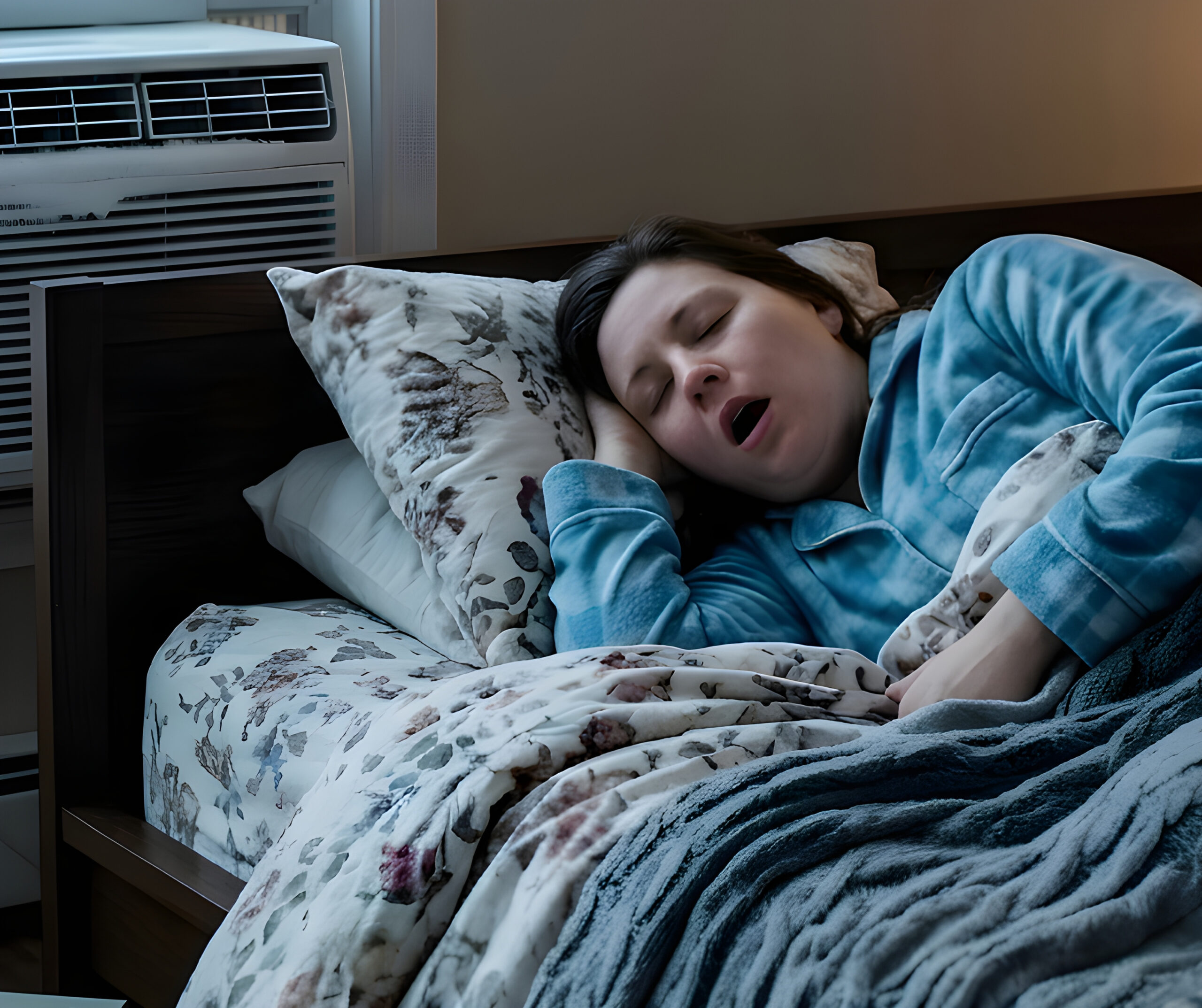
Why Many Australians Notice More Snoring During Winter
If you’ve found yourself searching for the best snoring relief during winter, you’re not alone.
Many Australians notice that their snoring becomes louder, more frequent, or more disruptive during the colder months. Perhaps your partner has started complaining more, you’ve been waking with a dry mouth, or you’ve noticed your snoring seems worse whenever the reverse-cycle heater is running overnight.
This raises a common question:
Do people snore more in winter?
In many cases, yes.
While winter itself does not directly cause snoring, seasonal changes can create the perfect conditions for airway irritation, nasal congestion, mouth breathing, and increased vibration of the tissues in the throat—all of which contribute to snoring.
If you’re experiencing snoring during winter, understanding why it happens can help you find practical solutions and choose the right mouthguard for snoring or other snoring relief options.
Is Snoring Worse in Winter?
Many people ask:
- Is snoring worse in winter?
- Why am I snoring more in winter?
- Do people snore more in winter?
For many Australians, the answer is yes.
Winter often brings several factors that can worsen snoring:
- Colder temperatures
- Lower indoor humidity
- Increased use of heating systems
- More colds and respiratory infections
- Seasonal allergies
- Reduced physical activity
- Winter weight gain
Each of these factors can contribute to narrowing the airway during sleep.
When the airway becomes narrower, airflow becomes more turbulent. This causes the soft palate, uvula, tongue, and surrounding throat tissues to vibrate, producing the sound we recognise as snoring.
How Winter Air Affects Your Airways
One of the biggest reasons people experience snoring worse in winter is reduced humidity.
Cold air naturally contains less moisture than warm air. Once that cold outdoor air is brought indoors and heated, the relative humidity drops even further.
As a result:
- Nasal passages become dry
- The throat becomes irritated
- Mucous membranes lose moisture
- Airways become more sensitive
Your body attempts to protect itself by producing thicker mucus and increasing blood flow to the nasal passages.
Unfortunately, this often creates congestion and makes it harder to breathe through the nose.
When nasal breathing becomes difficult, many people switch to mouth breathing during sleep, which can significantly increase snoring.
Can Reverse-Cycle Heating Make Snoring Worse?
Potentially, yes.
Reverse-cycle air conditioners are one of the most popular heating options in Australian homes. While they are highly efficient, they can contribute to a drier sleeping environment.
When reverse-cycle heating warms the room, relative humidity often decreases. This can create several effects that may worsen snoring:
1. Dry Nasal Passages
Dry air can irritate the delicate tissues inside the nose.
The body’s response often includes:
- Swelling of nasal tissues
- Increased mucus production
- A feeling of nasal blockage
This can encourage mouth breathing during sleep.
2. Dry Mouth and Throat
Continuous exposure to heated air can dry out the throat overnight.
Dry tissues may become more inflamed and prone to vibration, contributing to louder snoring.
3. Increased Airflow Around the Face
Unlike radiant heaters, reverse-cycle systems circulate air throughout the room.
If vents are directed towards the bed, the moving air may accelerate moisture loss from the nose and mouth.
4. Reduced Airway Comfort
Dry, irritated airways can make breathing feel less comfortable, potentially increasing sleep disruption and snoring.
Why Humidity Changes Can Trigger Snoring
The relationship between humidity and snoring is often overlooked.
When bedroom humidity falls too low, a chain reaction can occur:
Dry Airways
Low humidity dries the natural moisture lining the nose and throat.
Nasal Congestion
The body responds by producing thicker mucus and increasing blood flow to irritated tissues.
Mouth Breathing
Blocked nasal passages make mouth breathing more likely.
Airway Narrowing
Mouth breathing can dry the throat further and increase the likelihood of tissue vibration.
Snoring
As air passes through a narrower airway, the tissues vibrate more forcefully, producing snoring.
For many Australians using reverse-cycle heating, this process can occur night after night throughout winter.
How to Reduce Winter Snoring
If you’ve noticed you’re snoring more in winter, several practical changes may help.
Keep Bedroom Humidity Balanced
Many sleep specialists recommend maintaining indoor humidity between 30% and 50%.
A small hygrometer can help monitor bedroom humidity levels.
If your room is consistently dry, a humidifier may help restore moisture to the air.
Avoid Overheating the Bedroom
The ideal sleep temperature is generally around 18–20°C.
Running the heater excessively high may further reduce humidity and contribute to airway dryness.
Stay Hydrated
Adequate hydration helps keep mucus thinner and supports normal airway function.
Clear Nasal Passages Before Bed
Saline sprays or saline rinses may help reduce congestion and improve nasal airflow before sleep.
Stay Active During Winter
Maintaining regular exercise can help support overall respiratory health and weight management.
What Products Can Help Reduce Snoring Caused by Dry Winter Air?
Because winter snoring is often linked to both airway dryness and airway narrowing, a combination of environmental and physical solutions may help.
Humidifiers
Humidifiers add moisture back into dry indoor air.
This may help reduce:
- Nasal dryness
- Dry throat symptoms
- Overnight discomfort
Many people find humidifiers particularly useful when using reverse-cycle heating regularly.
Air Purifiers
Winter often means spending more time indoors.
Air purifiers with HEPA filtration may help reduce airborne allergens such as:
- Dust mite particles
- Mould spores
- Pet dander
Reducing irritants may support clearer nasal breathing.
Breathable Bedding
Bamboo, linen and Tencel bedding materials can help regulate temperature and moisture throughout the night.
These materials may help create a more comfortable sleep environment.
Can a Mouthguard for Snoring Help During Winter?
For some people, yes.
If your snoring is linked to airway narrowing at the back of the throat, a mouthguard for snoring may help by supporting a more open airway during sleep.
These devices are commonly known as mandibular advancement devices (MADs).
They work by gently positioning the lower jaw slightly forward, which may help reduce airway collapse and tissue vibration.
SnoreMD: A Boil and Bite Mouthguard for Snoring
SnoreMD is a boil and bite mouthguard for snoring designed to be adjustable and customised to the user’s mouth.
As a mandibular advancement device, it works by gently advancing the lower jaw forward while you sleep.
Potential benefits may include:
- Helping maintain a more open airway
- Supporting airflow during sleep
- Reducing tissue vibration associated with snoring
- Providing a non-invasive snore relief option
For individuals looking for a mouthguard for snoring Australia, SnoreMD offers a TGA-registered solution that can be adjusted incrementally for comfort.
Because winter snoring is often caused by a combination of environmental factors and airway narrowing, some users find that pairing a humidifier with a mandibular advancement device provides a more comprehensive approach to managing snoring.
Is SnoreMD the Best Mouthguard for Snoring?
The best mouthguard for snoring depends on several factors, including:
- The cause of your snoring
- Comfort preferences
- Jaw structure
- Severity of symptoms
Many Australians prefer adjustable sleep mouthguards for snoring because they allow gradual advancement of the jaw rather than a fixed position.
SnoreMD’s adjustable design gives users the ability to customise their fit over time, which may improve comfort and compliance.
When Snoring May Need Medical Assessment
While occasional snoring can be common, persistent loud snoring may sometimes be associated with a more serious sleep-related breathing disorder.
Consider speaking with your GP if you experience:
- Witnessed breathing pauses during sleep
- Gasping or choking at night
- Excessive daytime sleepiness
- Morning headaches
- Difficulty concentrating
- High blood pressure
These symptoms may warrant further assessment for obstructive sleep apnoea.
Final Thoughts
If you’ve noticed your snoring during winter has become more noticeable, Australia’s colder weather and widespread use of reverse-cycle heating could be contributing factors.
Dry indoor air, changing humidity levels, nasal congestion and increased mouth breathing can all make snoring worse during winter.
Fortunately, there are several practical ways to address the problem:
- Maintain healthy bedroom humidity
- Avoid overheating the room
- Use saline nasal sprays if appropriate
- Stay hydrated
- Consider a humidifier
- Explore a mouthguard for snoring such as SnoreMD
For many Australians seeking snore relief during winter, combining environmental improvements with an appropriate anti-snoring device may help support quieter, more comfortable sleep.
Disclaimer:
This article is intended for general educational and informational purposes only and does not constitute medical advice, diagnosis, or treatment. Snoring can have multiple causes, and not all cases of snoring are the same. While anti-snoring devices such as SnoreMD may help reduce snoring in some individuals by supporting a more open airway during sleep, they are not intended to diagnose, treat, cure, or prevent any medical condition.
Persistent, loud, or disruptive snoring—particularly when accompanied by symptoms such as witnessed breathing pauses, gasping during sleep, excessive daytime sleepiness, morning headaches, or difficulty concentrating—may be associated with obstructive sleep apnoea (OSA) or another sleep-related breathing disorder. If you experience these symptoms, consult your GP, dentist, sleep physician, or another qualified healthcare professional for personalised advice and appropriate assessment.
Individual results may vary. Always follow the manufacturer’s instructions for use and seek professional medical advice if you have concerns about your sleep, breathing, or suitability for an oral appliance.