Mild to Moderate Obstructive Sleep Apnoea (OSA)

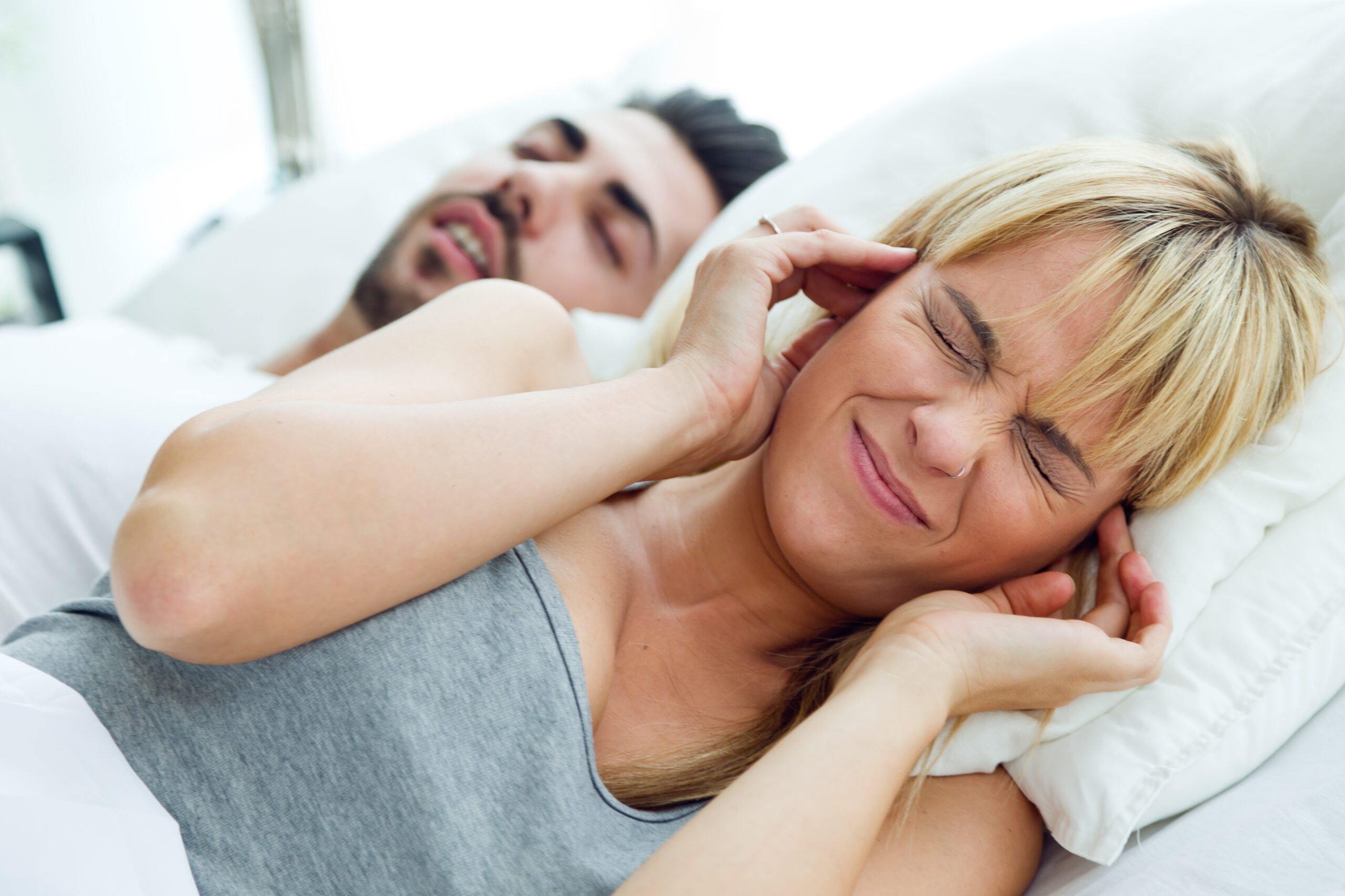
woman who can't sleep because of snoring husband

What is Mild to Moderate Sleep Apnoea?

Mild to moderate obstructive sleep apnoea (OSA) is a sleep-related breathing disorder where the upper airway repeatedly narrows or collapses during sleep.

When this happens, airflow is partially or completely reduced, and oxygen levels may briefly drop. The brain responds by triggering short micro-awakenings to restore normal breathing.

These awakenings are usually not remembered, but they fragment sleep throughout the night and prevent the body from completing normal deep and REM sleep cycles.

Sleep apnoea severity is measured using the Apnoea–Hypopnoea Index (AHI), which records the number of breathing interruptions per hour:

  • Mild sleep apnoea: 5–14 events per hour
  • Moderate sleep apnoea: 15–29 events per hour

Moderate sleep apnoea may involve breathing disruptions every 2–4 minutes throughout the night, even if the person remains asleep.

What Causes Mild to Moderate Sleep Apnoea?

Mild to moderate sleep apnoea is usually caused by a combination of structural, physiological, and lifestyle-related factors that affect airway stability during sleep.

The main causes include:

  • Airway anatomy: A naturally narrow throat, large tongue, enlarged tonsils, or recessed jaw reduces available airflow space.
  • Muscle relaxation during sleep: Throat muscles naturally relax, which can allow the airway to partially collapse in susceptible individuals.
  • Weight-related airway pressure: Excess tissue around the neck and upper airway can narrow the breathing passage.
  • Alcohol and sedatives: These relax airway muscles further and increase the likelihood of airway collapse.
  • Smoking and vaping: These may irritate and inflame airway tissues, increasing resistance to airflow.
  • Sleeping position: Back sleeping allows gravity to pull the tongue and soft tissues backward, narrowing the airway.

Mild to moderate sleep apnoea is rarely caused by a single factor and is typically the result of multiple overlapping risks.

Who Is Most Affected by Mild to Moderate Sleep Apnoea?

Mild to moderate sleep apnoea can occur in any age group or body type, but certain populations have a higher risk due to anatomical and hormonal factors.

  • Adults over 40: Airway muscle tone naturally decreases with age, increasing collapse risk during sleep.
  • Men: Higher prevalence in early and middle adulthood due to airway structure and fat distribution differences.
  • Post-menopausal women: Hormonal changes reduce airway stability and increase symptom risk.
  • People carrying excess weight: Fat deposits around the neck and airway can physically narrow breathing passages.
  • People with structural airway features: Such as a narrow throat, recessed jaw, large tongue, or enlarged tonsils.

Mild to moderate sleep apnoea can still occur in people without excess weight when anatomical factors are present.

What Does Mild to Moderate Sleep Apnoea Feel Like?

Symptoms often develop gradually, which is why many people mistake them for stress, poor sleep, or lifestyle fatigue.

“What is the difference between mild and moderate sleep apnoea?”

The primary difference is the frequency of breathing interruptions and the impact they have on daily life.

Category Mild Sleep Apnoea Moderate Sleep Apnoea
Snoring Intermittent or positional snoring Loud, persistent snoring
Breathing patterns during sleep No obvious pauses noticed Witnessed pauses, gasping, or choking episodes
Sleep quality Light or restless sleep Frequent night awakenings and disrupted sleep cycles
Morning symptoms Dry mouth, mild headaches Morning headaches may be more frequent or severe
Daytime energy Mild fatigue or low energy Excessive daytime sleepiness
Cognitive effects Mild difficulty concentrating Brain fog, reduced clarity, memory issues
Mood effects Irritability or mood changes More noticeable mood disturbance and reduced resilience
Functional impact Often still functioning normally Noticeable impact on work, driving, and daily performance
Symptom pattern Intermittent and easy to overlook More frequent and consistent throughout the night
Sleep disruption severity Mild sleep fragmentation Significant sleep fragmentation with reduced restorative sleep

How Does Mild to Moderate Sleep Apnoea Affect Your Body, Mind, and Daily Life?

Mild to moderate sleep apnoea doesn’t only affect sleep—it can gradually influence how you feel physically, mentally, and socially throughout the day due to repeated sleep disruption and oxygen fluctuations overnight.

How mild to moderate sleep apnoea affects your body

Mild to moderate sleep apnoea can lead to ongoing tiredness, reduced morning energy, headaches, and slower physical recovery after activity. Because breathing is repeatedly disrupted during sleep, the body may not get enough sustained deep sleep for proper restoration. Over time, these repeated oxygen drops may also place additional strain on cardiovascular and metabolic function.

How mild to moderate sleep apnoea affects your mind

Interrupted sleep can affect how the brain functions during the day. Many people experience brain fog, reduced concentration, slower thinking, and difficulty with memory and focus. It may also contribute to irritability, lower motivation, and reduced tolerance to everyday stress, especially when sleep disruption occurs night after night.

How mild to moderate sleep apnoea affects your relationships

The effects of mild to moderate sleep apnoea often extend to partners and household members. Loud snoring and irregular breathing patterns can disrupt a partner’s sleep, sometimes leading to separate sleeping arrangements. Ongoing fatigue and poor sleep quality may also contribute to irritability and reduced emotional patience, which can place strain on relationships over time.

What Do Doctors Usually Recommend for Mild to Moderate Sleep Apnoea?

Management for mild to moderate sleep apnoea is based on sleep study results, symptom severity, and individual health factors. There is no single approach that suits everyone, so recommendations are usually tailored to each person’s airway, lifestyle, and risk profile.

Commonly recommended approaches include:

  • Lifestyle changes such as weight management and reducing alcohol intake
  • Improving sleep habits, including consistent sleep and wake times
  • Treating nasal congestion or breathing obstruction that may worsen airflow
  • Oral appliance therapy, often considered for mild to moderate cases
  • CPAP therapy, typically recommended for moderate cases or when clinically required
  • Ongoing monitoring and review with a GP or sleep specialist

In many cases, a combination of strategies is used to improve sleep quality and reduce breathing interruptions.

What Are Some Easy Home Remedies for Mild to Moderate Sleep Apnoea?

For mild to moderate sleep apnoea, simple lifestyle adjustments may help reduce symptom severity and support better sleep quality. These strategies do not replace medical care but may complement clinical management.

Common approaches include:

  • Sleeping on your side instead of your back to reduce airway collapse
  • Limiting alcohol intake before bedtime to support normal muscle tone
  • Maintaining a consistent sleep schedule to improve sleep regulation
  • Addressing nasal congestion or allergies to improve airflow
  • Regular physical activity to support overall respiratory and cardiovascular health
  • Weight management where relevant, as it may reduce airway pressure

Some over-the-counter products, such as nasal strips, nasal dilators, or positional devices, may help reduce snoring. However, they do not treat or resolve obstructive sleep apnoea itself

Can I Use SnoreMD for Mild to Moderate Sleep Apnoea?

Short answer: Possibly, but only with professional guidance.

SnoreMD is a mandibular advancement device designed to gently reposition the lower jaw forward during sleep. This positioning may help reduce snoring and support improved airflow in some individuals with mild symptoms.

Because it belongs to the same category as oral appliance therapy, it is sometimes considered by people exploring options for mild sleep-related breathing issues.

However, suitability depends on individual airway anatomy and the severity of sleep apnoea. It should not be assumed to be appropriate for everyone.

It’s important to note that SnoreMD is not a replacement for clinical diagnosis or treatment. If you suspect you may have sleep apnoea — or have been diagnosed — we strongly recommend speaking with your GP, pharmacist, or sleep specialist to determine the most appropriate course of action.

Over-the-counter devices may provide temporary relief for snoring, but they should not replace proper medical assessment or diagnosis of obstructive sleep apnoea.

woman going to sleep clinic

How Is Mild to Moderate Sleep Apnoea Diagnosed in Australia?

Diagnosis of mild to moderate sleep apnoea follows a structured clinical process to confirm severity and guide appropriate management.

Step 1: GP consultation

A GP assesses symptoms such as snoring, fatigue, poor sleep quality, and daytime sleepiness, and determines whether further testing is needed.

Step 2: Sleep study

A home or laboratory sleep study is conducted to measure breathing patterns, airflow, oxygen levels, heart rate, and sleep interruptions.

Step 3: AHI scoring

Results are analysed using the Apnoea–Hypopnoea Index (AHI), which classifies severity:

  • Mild: 5–14 events per hour
  • Moderate: 15–29 events per hour
  • Severe: 30+ events per hour

Step 4: Management plan

Based on results, a treatment plan may include lifestyle changes, oral appliance therapy, CPAP therapy, positional therapy, or specialist referral.

Frequently Asked Questions About Mild to Moderate Sleep Apnoea

What causes sleep apnoea?

Sleep apnoea occurs when the airway repeatedly narrows or collapses during sleep due to a combination of muscle relaxation, anatomical structure, and lifestyle-related factors.

Can mild sleep apnoea become worse?

Yes. Ageing, weight gain, alcohol use, smoking, and changes in airway structure can all contribute to progression from mild to moderate or severe sleep apnoea over time.

Are oral appliances effective for mild to moderate sleep apnoea?

They may help reduce symptoms in suitable individuals by gently supporting airway openness during sleep. Effectiveness varies depending on anatomy and severity.

When should I seek medical help?

You should seek medical advice if you experience persistent loud snoring, witnessed breathing pauses, ongoing daytime fatigue, morning headaches, or poor sleep quality.